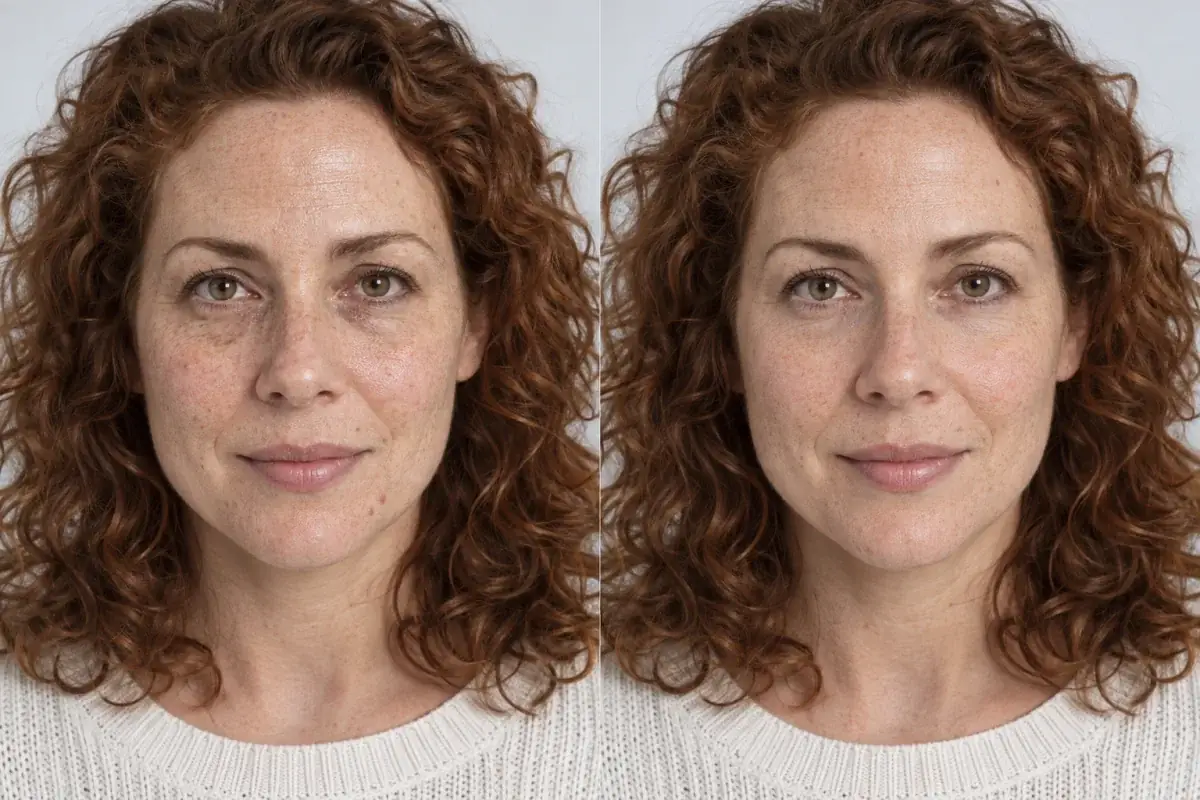
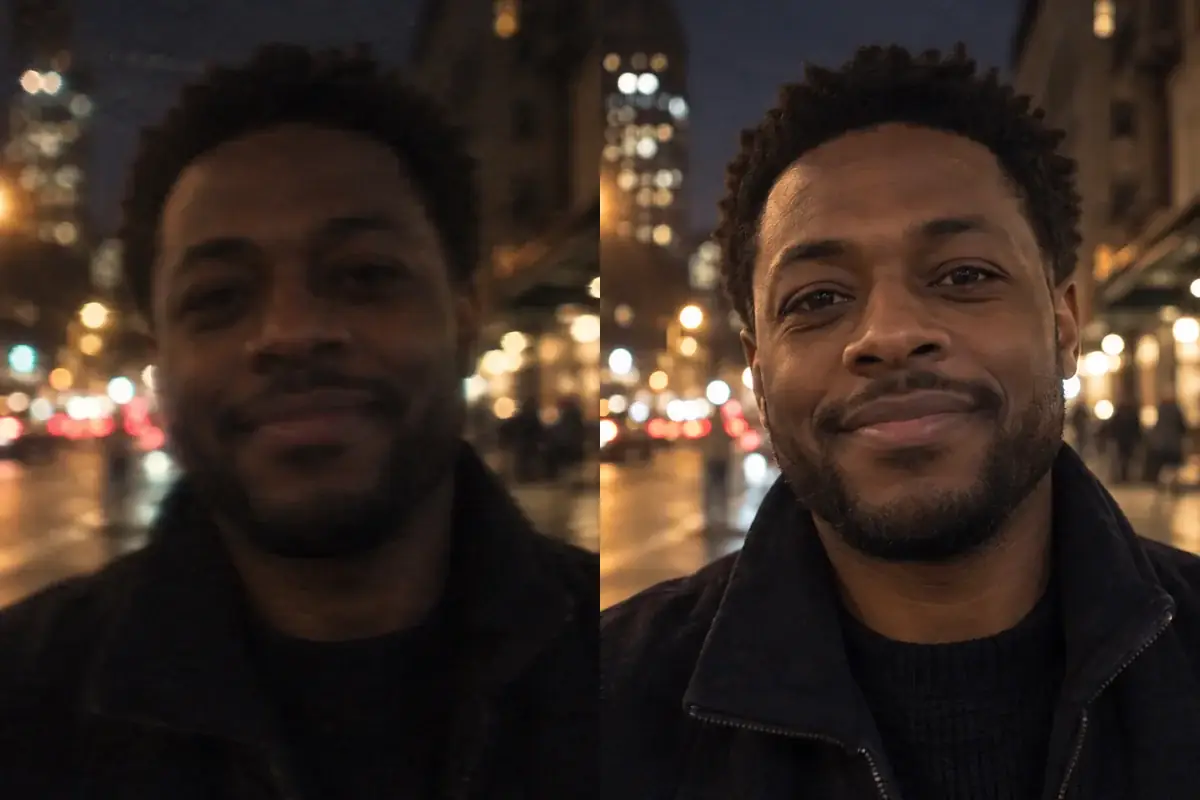
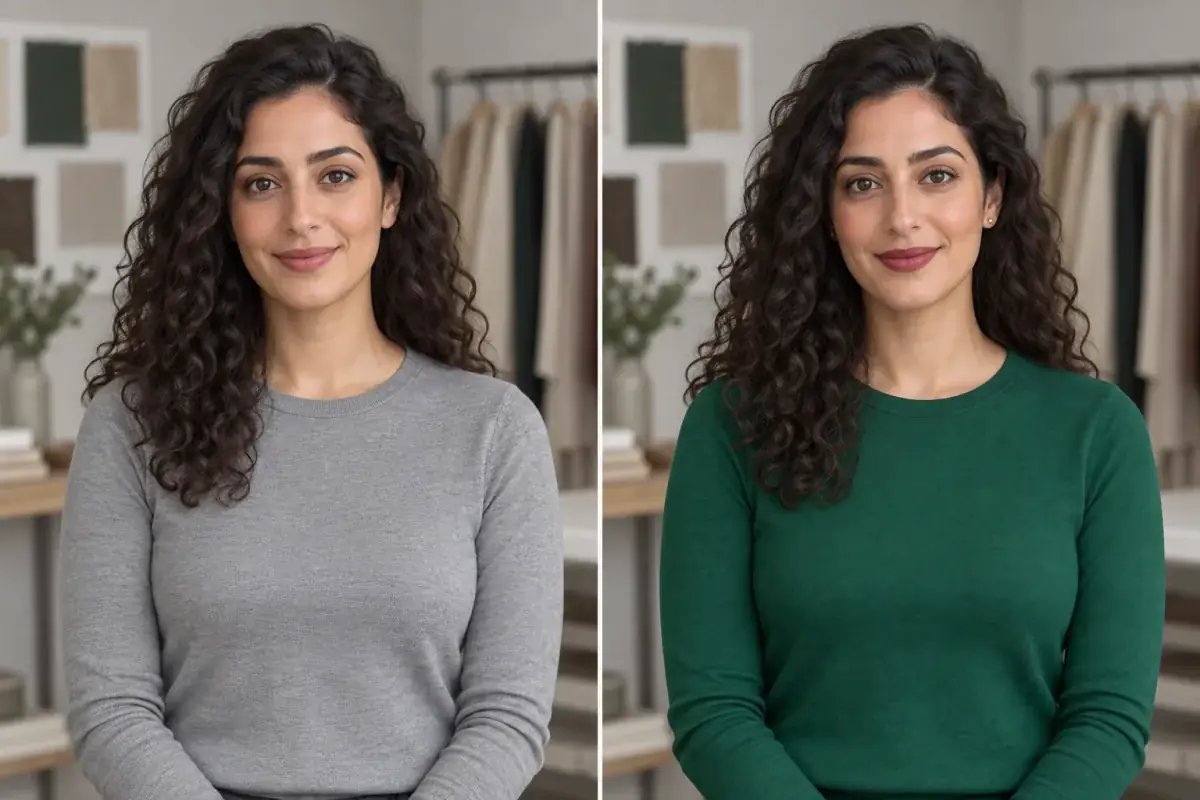
Best color analysis apps and websites, honestly compared
Every listicle in this category was written by a tool crowning itself. This one scores all six routes, including the free chatbot, on the same four questions.
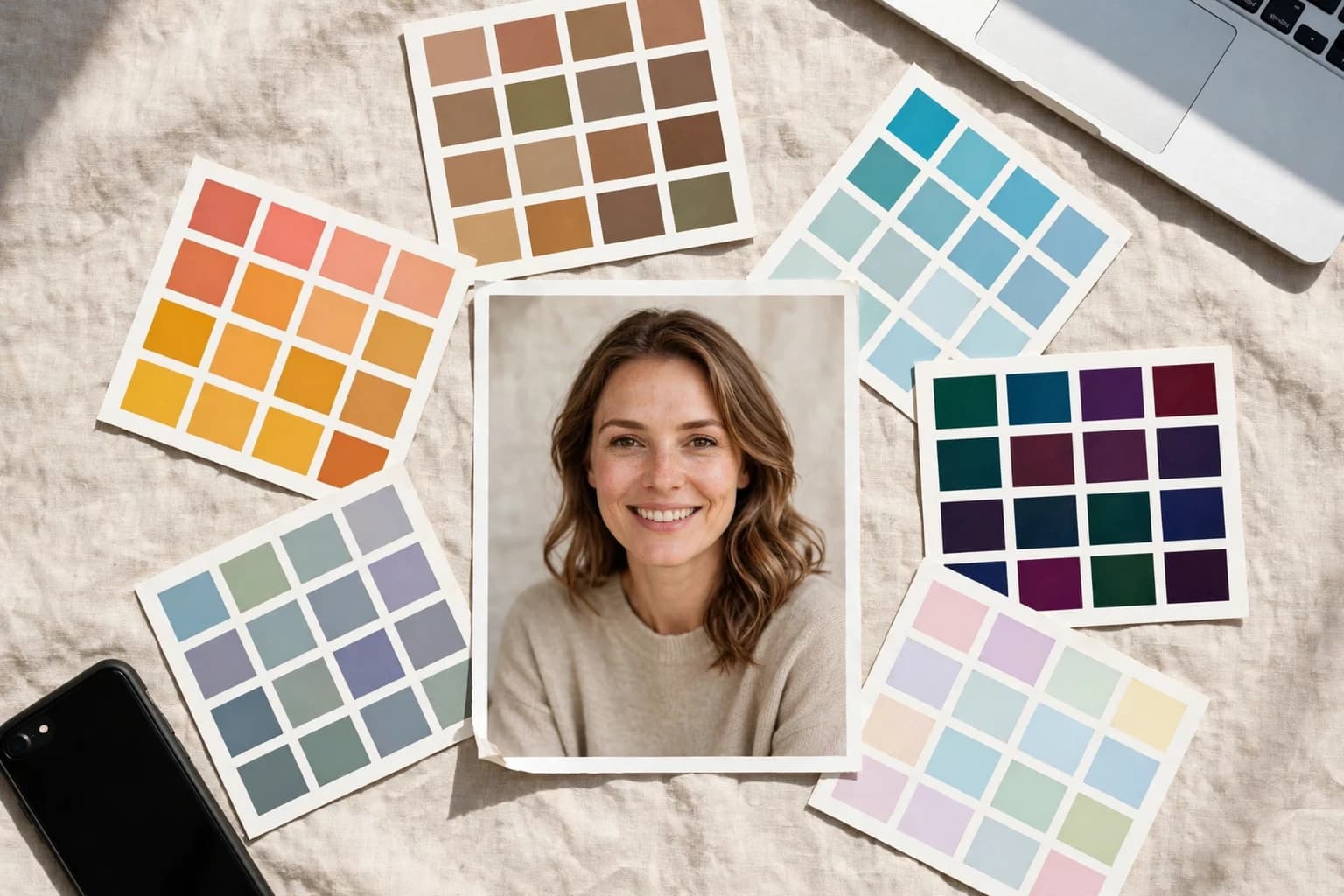
Same face, six tools, and the verdicts do not always agree. What separates them is how each one decides, and whether you ever see the palette on your face.
Direct answer
What is the best color analysis app or website? For a verdict you can check, MyColorAnalysisAI on the web: it corrects your camera's color cast, measures your coloring, drapes the candidate seasons on your photo and reports a confidence level with a runner-up, free. For deciding what to actually do with the verdict, Uptone: its analysis is paired with previews of the season's shades as hair and makeup on your own face. Dressika is the strongest phone app, Colorwise the best free workshop, and ChatGPT is a first guess you should never shop from unchecked. Our hub explains the 12 seasons all of them are sorting you into.
What are the key takeaways?
- The tools decide differently: Dressika reads one selfie, Colorwise asks you to pick your own colors, MyColorAnalysisAI measures and drapes, ChatGPT guesses from a picture description.
- Seeing the palette on your face separates verdicts from labels: Colorwise, MyColorAnalysisAI and Uptone show it; Dressika frames palettes around your photo; ChatGPT cannot show you anything.
- Consistency is the weak point everywhere. Dressika reviewers report different palettes under different lighting, and ChatGPT has flipped a user between spring and autumn inside one test.
- Costs are mostly modest: free analyses at Colorwise and MyColorAnalysisAI, in-app purchases at Dressika from $0.99 to $39.50, and Uptone at 1 free credit a month.
- The professional benchmark still costs from $200 to $500, which is what all of these are standing in for.
How were these six scored?
Four questions, applied to every entry. How is the season decided: a selfie reading, your own selections, a measurement with draping, or a language model's impression? Do you see the palette on your face, or only read its name? How consistent is the verdict if you run it twice, in different light? And what does the answer cost? A tool can win this comparison on any honest strength; what it cannot do is hide its method. The ChatGPT route is included because for many readers it is the incumbent, and our check of its verdicts found the pattern this table shows.
- MyColorAnalysisAI: Measurement with cast correction, then draping comparison; See the palette on your face?: Yes, drapes on your photo; Consistency: Best here, reports confidence and a runner-up; Cost: Free analysis, optional one time report
- Uptone: Analysis tied to your coloring, verified by try-on; See the palette on your face?: Yes, as hair and makeup previews; Consistency: Strong, because the check is visual, not verbal; Cost: 1 credit a month free, Pro $11.99
- Dressika: AI reading of one selfie; See the palette on your face?: Partly, palettes framed around your photo; Consistency: Lighting sensitive, reviewers report shifting results; Cost: Free, in-app purchases $0.99 to $39.50
- Colorwise: Guided DIY, you select your skin, hair and eye colors; See the palette on your face?: Yes, draping studio on your photo; Consistency: Depends on your own selections; Cost: Free analysis, wider platform and app
- YouCam Makeup: Try-on first, analysis is a secondary feature; See the palette on your face?: Yes, as product shades; Consistency: Good for shades, not built for verdicts; Cost: Free app, premium tier
- ChatGPT: Language model impression of your photo; See the palette on your face?: No, text label only; Consistency: Weakest, documented flips between seasons; Cost: Free with an account
What does Dressika do best, and what should you watch for?
Dressika is the category's most installed specialist, with more than 6.5 million downloads, and its appeal is completeness in one app: a selfie based 12 season verdict, a 120 color palette, 170 makeup colors, a virtual wardrobe and a hair color changer. Reviewers praise the accuracy of the core analysis when the photo is good, and the app lets you scroll the different palettes around your face afterwards to sanity check the one it chose.
Watch the lighting. Reviewers also report taking several photos in different light and ending up with a couple of palettes to choose between, which is the honest signature of a single selfie method: the camera is part of the verdict. Run Dressika twice, once by a window and once under kitchen light, before you reorganize a wardrobe around its answer; if the two runs agree, you have something sturdier than most apps produce, and if they do not, the disagreement itself is the information. Dressika is free to install, with in-app purchases listed from $0.99 to $39.50, and users report subscription offers such as a week for $5 or a year for $13; treat those figures as reported rather than published, since they surface inside the app.
What does Colorwise offer that the apps do not?
Time and transparency. Colorwise, on the web, does not pretend the machine simply knows: its free DIY analysis has you upload a photo and select your skin, hair and eye colors yourself, then its Virtual Draping Studio lays the palettes over your photo so you can compare all 12 seasons and save the comparisons. Its My Best Colors companion app then checks real garments against your palette while you shop. For a reader who enjoys the process and distrusts a black box, it is the most educational route here.
Its weakness is the other side of the same coin: the verdict leans on your own color selections, and most people seeking an analysis are unsure of exactly those. And like the other palette tools, it stops at clothing colors; there is no decision quality preview of a hair color or a makeup look on your face, and nothing to hand a stylist.
Why does MyColorAnalysisAI top the verdict table?
Because it is the only entry that behaves like the professional method. A professional drapes because a label read off a face is unreliable, so this tool checks the photo's light first, uses a white top or wall to remove the camera's color cast, measures skin, hair and eyes, and then drapes the candidate seasons on your photo with only the cape color changing. When two seasons run close, it says so, showing its confidence and the runner-up instead of forcing a single answer.
The free analysis includes the verdict, the confidence and your best and worst colors on your own photo, with no signup; the Full Color Report is an optional one time purchase whose price is not stated on the site's FAQ, so this guide does not quote one. What it does not do is preview a hair color or makeup look as a decision, and it has no stylist facing output. It is the best thermometer in a category where Uptone is trying to be the appointment.
Where do YouCam and ChatGPT honestly belong?
YouCam Makeup belongs in a try-on comparison more than this one, and it is scored here because readers ask about it. Its strength is seeing real brand shades on your face in a live camera; its season thinking is a secondary feature inside an editor and storefront, which we covered in the YouCam alternatives guide. If a verdict is what you came for, it is the wrong shelf.
ChatGPT is the free incumbent and the weakest verdict. It reads your photo, or hex codes sampled from it, and produces the most plausible sounding season in words. In BuzzFeed's published test of the viral workflow, the same writer was steered to spring from her skin code, then told spring or autumn once eyes and hair were added, and the tool's own competitors note it often gives a different season on repeat asks. None of that makes it useless; it makes it a hypothesis. The fix is to check the label visually before spending on it, which is also how you shop the palette it hands you.
Which one should you actually use?
Use MyColorAnalysisAI or Colorwise to form the verdict, and Uptone to test what the verdict means on your face before money moves: the season's signature lip, its classic hair colors, its metals, each previewed on your unchanged photo for a credit apiece. Use Dressika if you want the whole wardrobe workflow in one phone app and you are willing to police your lighting. Use ChatGPT for a free first guess, and then check it like any other guess. The $200 to $500 professional draping remains the gold standard for a face that sits exactly on a boundary; everything in this guide is how close you can get for the price of a few previews.
Source: Dressika is free to install with in-app purchases from $0.99 to $39.50
Source: Professional color analysis sessions run from $200 to $500
A listicle written by one of the listed
Uptone appears in this comparison because it belongs in the category, and its placement is argued from the criteria, not asserted. Every competitor claim below is sourced, and where a price or a figure could not be verified on the brand's own pages it is labeled reported or left unquoted. If you test two tools and they disagree, trust the process you could watch, not the label you were handed.
Take the theory out of it.
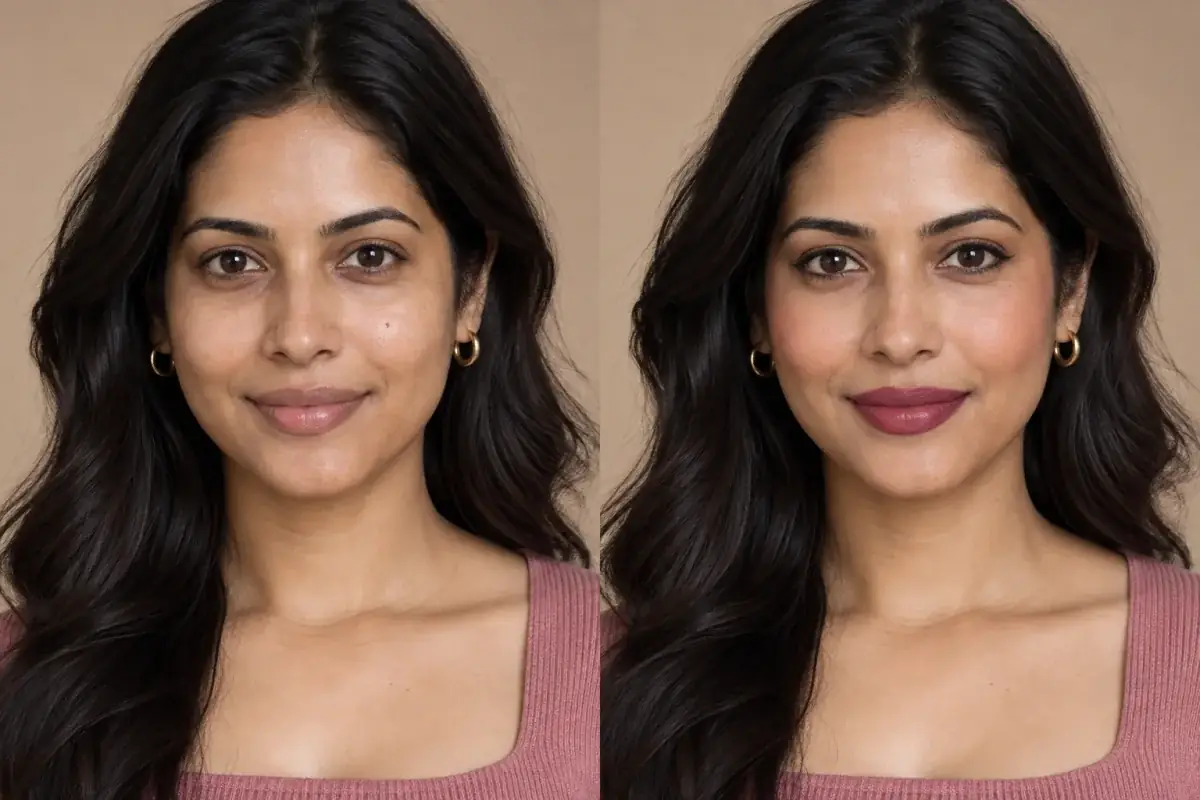
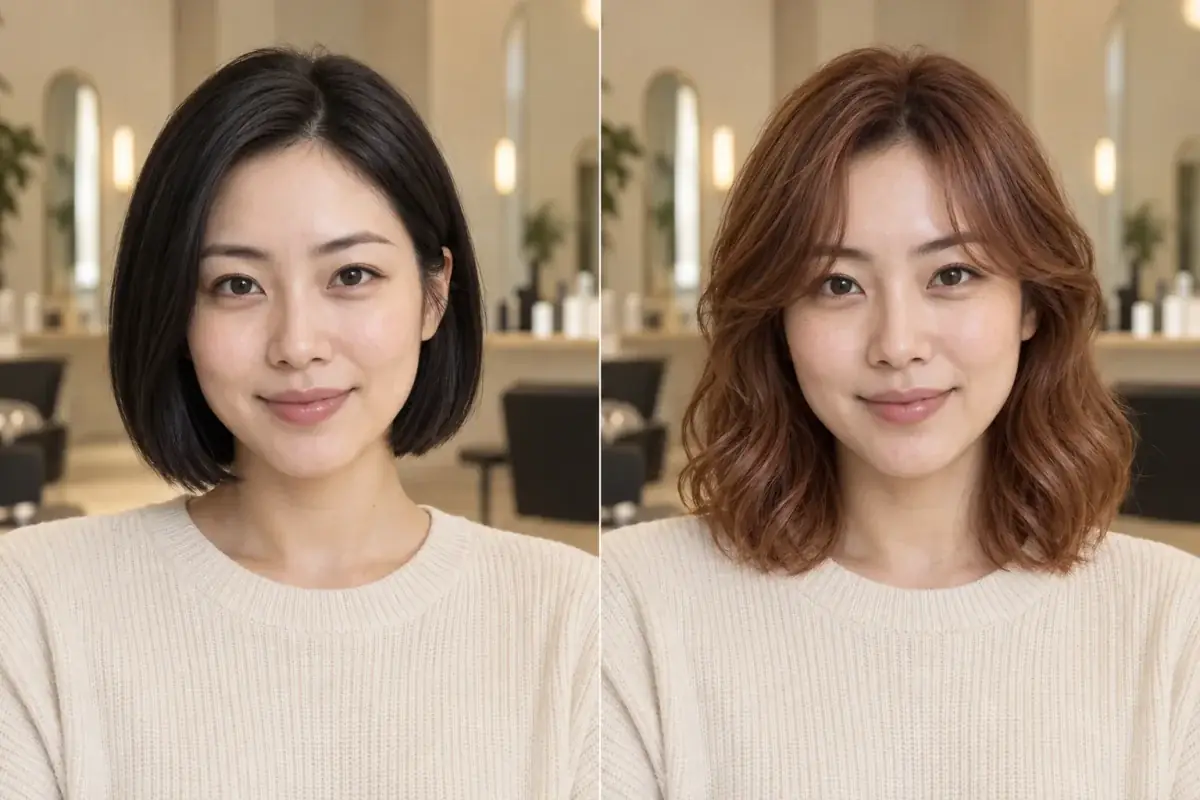
The comparison's central lesson is that a verdict is only worth what you can see. Uptone's analysis pairs the season with on-photo previews of its shades, so the reader can verify rather than believe.
Questions people ask
What is the most accurate free color analysis tool?
MyColorAnalysisAI, on method. It corrects your camera's color cast, measures your skin, hair and eyes, drapes the candidate seasons on your photo, and reports a confidence level with a runner-up when the call is close. Colorwise is the best free option if you prefer a guided DIY process.
Is Dressika accurate?
Its core analysis is well reviewed when the photo is taken in good natural light, and it has more than 6.5 million downloads. The watch out is consistency: reviewers report different palettes from photos taken in different lighting, so run it in daylight and sanity check by scrolling the neighbouring palettes around your face.
Can ChatGPT do color analysis properly?
It can produce a plausible label, and that is all. It cannot drape colors on your face or correct your camera's cast, and in published tests it has given the same person different seasons within one session. Treat its verdict as a hypothesis and check it visually before shopping from it.
What does color analysis cost in these apps?
Less than the professional version by an order of magnitude. Colorwise and MyColorAnalysisAI analyze free, Dressika is free with in-app purchases listed from $0.99 to $39.50, and Uptone includes 1 free credit a month with Pro at $11.99. An in-person professional analysis typically runs from $200 to $500.
Which tool should I use if two apps gave me different seasons?
The one that lets you watch the decision. Compare the two candidate seasons' signature shades on your own photo, as draping in Colorwise or MyColorAnalysisAI, or as hair and makeup previews in Uptone. The season whose colors make your skin look even and your eyes clear is yours, whichever label an app preferred.