






Preview your lash and mascara look first.
Compare natural definition, length and lift, or fuller volume on your own photo.
Try mascara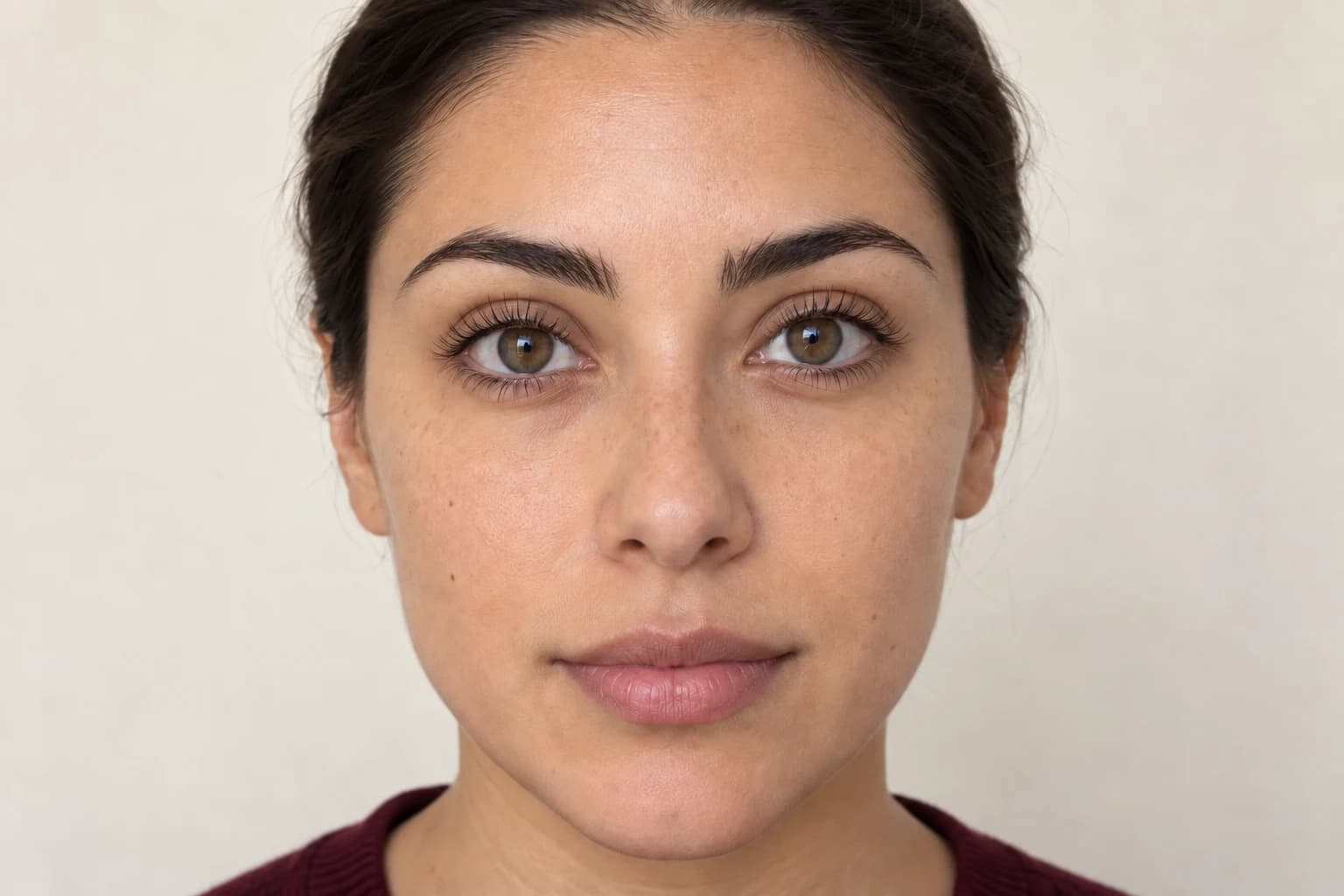
See mascara in motion.
Explore natural definition, length and lift, and fuller volume on different faces. Each illustrative AI preview is paired with that person's original; try your own photo to explore your result.
How it works
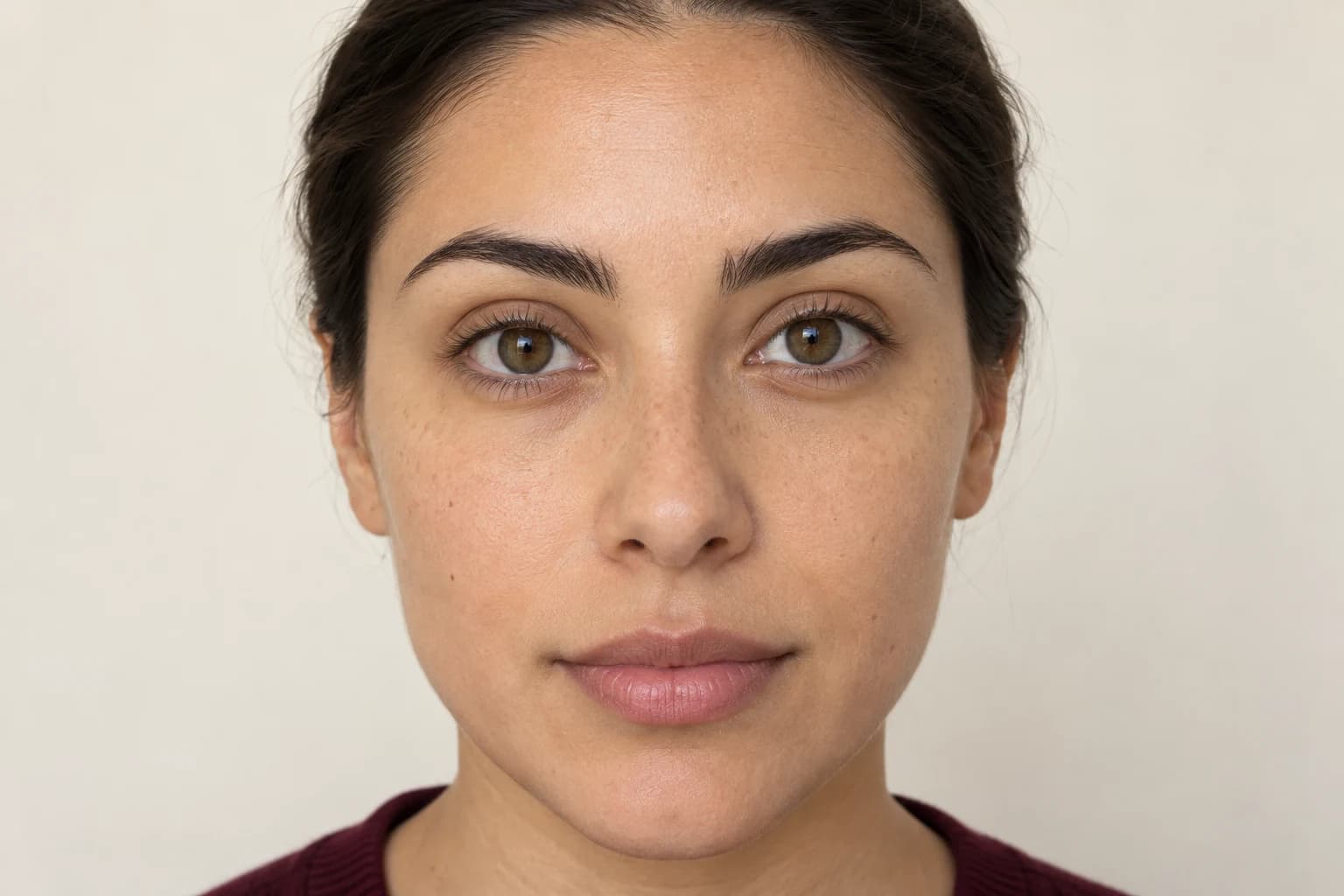
Start with visible lashes and even lighting. AI-generated example. Start bare, at eye level
Upload a sharp, evenly lit photo with both eyes open and your lashes visible, taken straight on. Go without mascara, false lashes or a beauty filter: your natural lash line is the base every direction is judged against, and a filter thickens lashes before you have changed anything.
 Loading preview…
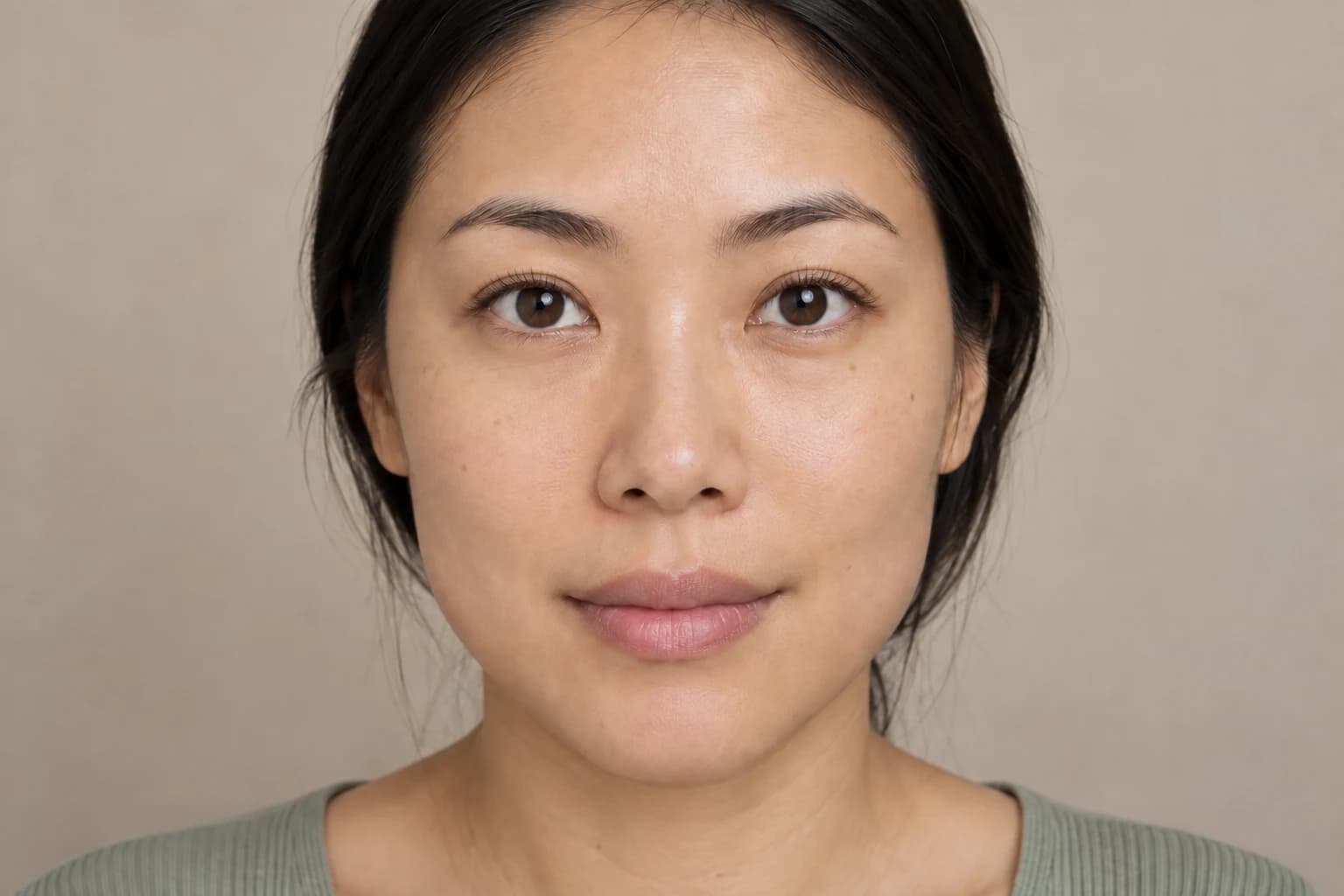
Natural definition: a subtle first option. Illustrative AI preview. Pick one lash direction
Choose the direction you are actually deciding between: natural definition, length and lift, or fuller volume. Change nothing else in the brief. If your eyeliner, brows and skin stay put, the comparison tells you about your lashes, not about a makeover you did not ask for.
 Loading preview…
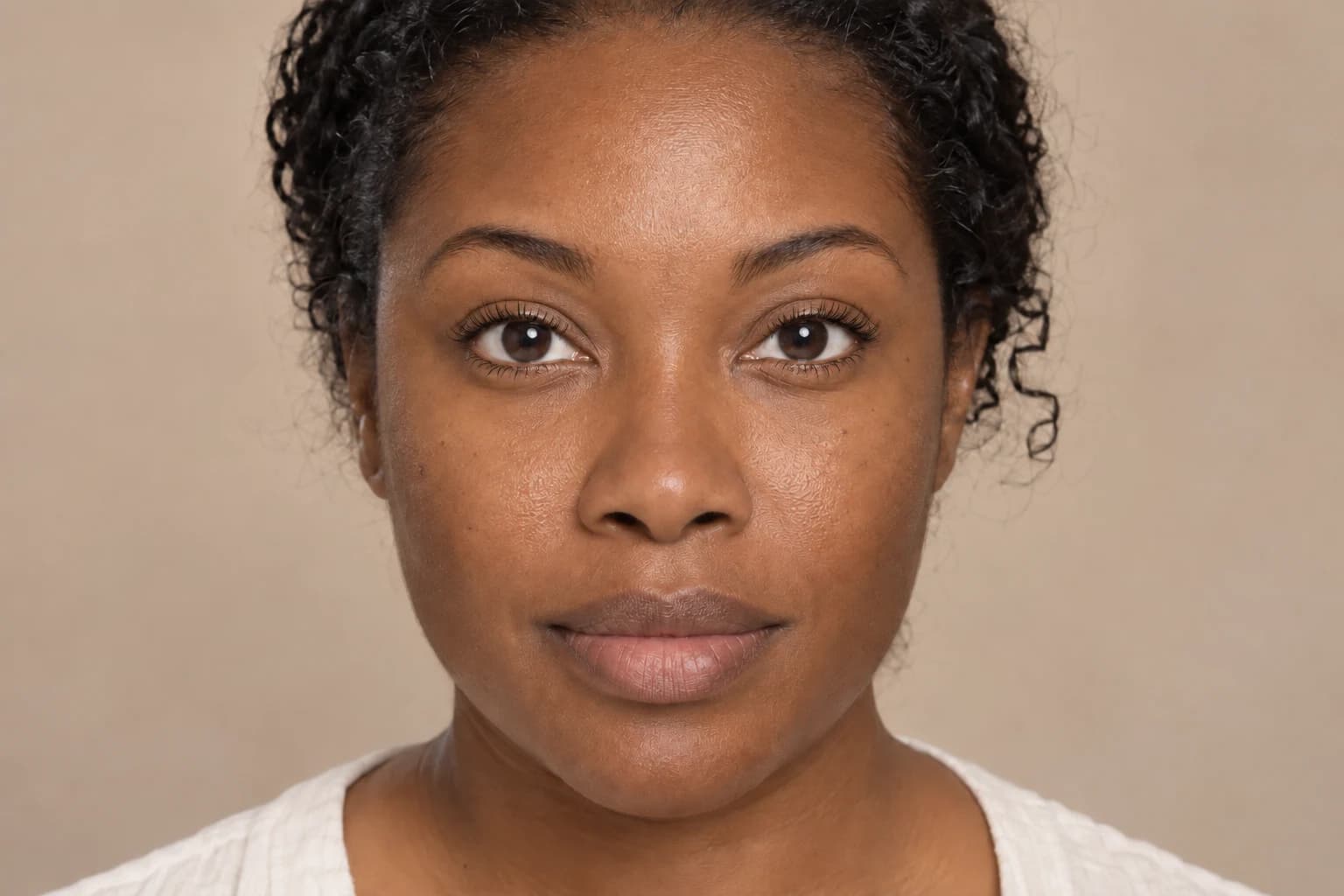
Compare fuller volume with the original. Illustrative AI preview. Judge the strands, then the whole face
Look closely first: strands should stay separated, follow your natural lash curve and sit evenly on both eyes. Then zoom back out to portrait size and check the balance against your brows. Save the direction that still reads well at the distance people actually see you.
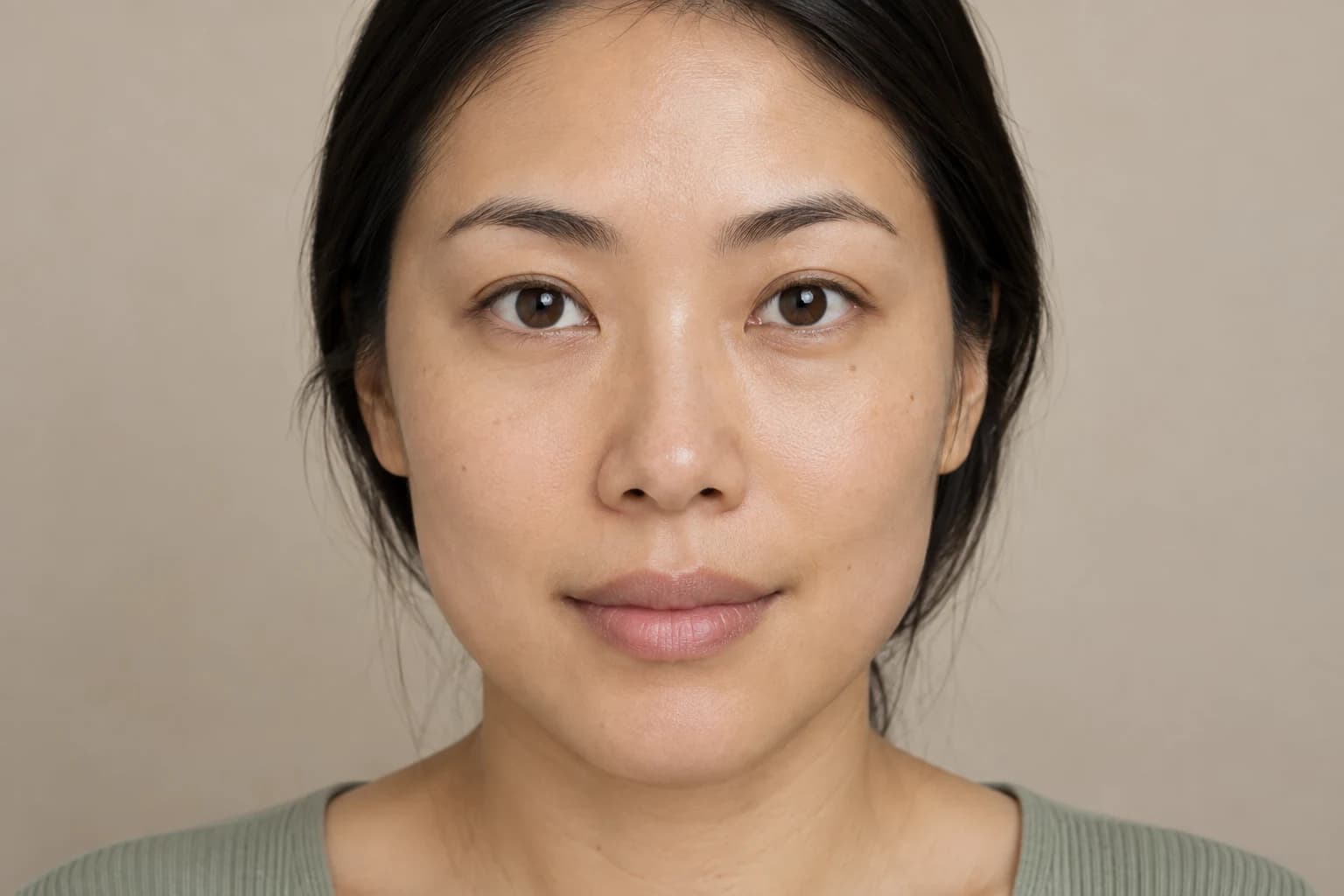
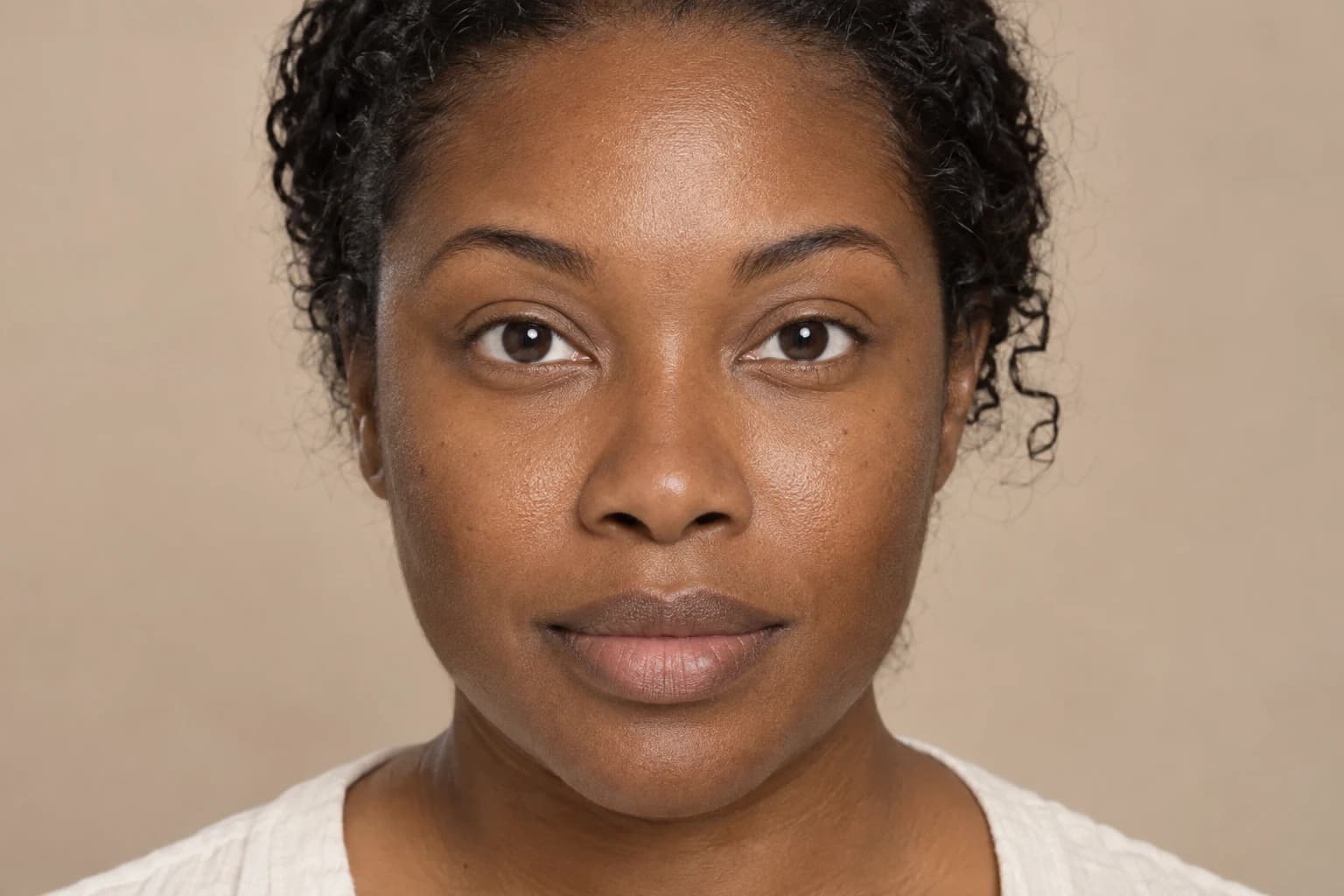
A lash direction you can describe
- Your chosen direction on your own eyes, with your eye shape, iris colour and brows unchanged: definition, length and lift, or fuller volume.
- A close view for judging strand separation and the curve from root to tip, and the whole face view for judging balance.
- A saved reference that turns 'better lashes' into a brief a makeup artist, or a product description, can actually match.
- Your untouched original kept beside it, so the size of the change is always honest.
Three directions, three different jobs
Natural definition darkens and separates what you already have, and it is what most people mean by everyday mascara. Length and lift works on the tips: longer, more visible ends with the strands kept apart, so the eye reads more open without a heavier lash line. Fuller volume works at the roots, packing the lash line darker and denser until the lashes become a feature of the look. They are not stronger and weaker versions of one thing, and comparing them on your own photo is how you find out which job you actually want done.
What a preview cannot tell you
A preview is a picture, not a wear test. It says nothing about smudging, flaking or comfort, and it cannot prove that a particular wand and formula will land where the picture lands on your own lashes. It also cannot stand in for false lashes or extensions, which start from a different lash line entirely. Use it to settle the direction and brief the purchase or the appointment, then judge the product on your own lashes.
Where this struggles
Fair lashes give it less to read
Very blonde or fine lashes can be hard to detect strand by strand, so a preview may lay the darkness on unevenly or invent separation you do not have. Judge the shape of the look rather than the exact strand count, and expect a real product to build more gradually.
Length on screen is not lift in real life
The preview can draw longer, higher tips, but it cannot know your natural lash curl or how a formula behaves on it. Straight or downward lashes may need a curler and a tubing or waterproof formula to hold anything like that curve through a day.
Lower lashes are easy to overdo
The preview concentrates on the upper lashes, where most of the visible change is. Real mascara on lower lashes is far less forgiving: a little defines, a little more smudges and prints under the eye. Treat the lower lash line as a separate, lighter decision.
Glasses change the length equation
If you wear glasses, extra length can brush the lenses every time you blink. Preview the length you like, then knock it back a step if your lashes already sit close to your frames. The preview cannot feel that contact, so your frames get the final vote.
Worth reading first.
The useful context, trade-offs and photo advice, before you spend a credit.
Your photo stays yours.
Uptone edits your own photo rather than replacing you with a generic model. It never rates your appearance, and you can delete your photos whenever you choose.
Questions people ask
- How many mascara directions can I compare?
- Three: natural definition, length and lift, and fuller volume. Run each one from the same original photo so the only difference between the results is the lashes. Each generation costs one credit.
- Can I preview mascara without changing the rest of my makeup?
- Yes, and that is the most useful way to do it. Keep the brief on the lashes alone, then check the result: eye shape, iris colour, brows and skin should all match your original. If they moved, the comparison is no longer only about mascara.
- Will the preview tell me which mascara to buy?
- It tells you the direction to shop for, not the product. Wear, smudging, flaking and how a formula holds curl cannot be judged from a picture. Shortlist products built for your direction, then test those on your own lashes.
- What if I wear glasses?
- Preview the length you like, then check it against your frames. Long lashes can brush the lenses, so the right length for glasses is often one step shorter than the one that looks best bare faced. Your frames get the final say.
Retouching is one half of what Uptone does. The other is trying a full makeup look on the same photo.
Try a full AI makeup look