






AI mascara try-on: choose natural definition, length or volume
You do not need a whole new makeup look to decide on your lashes. Start with one photo, compare three directions, and keep the rest of your face the same.
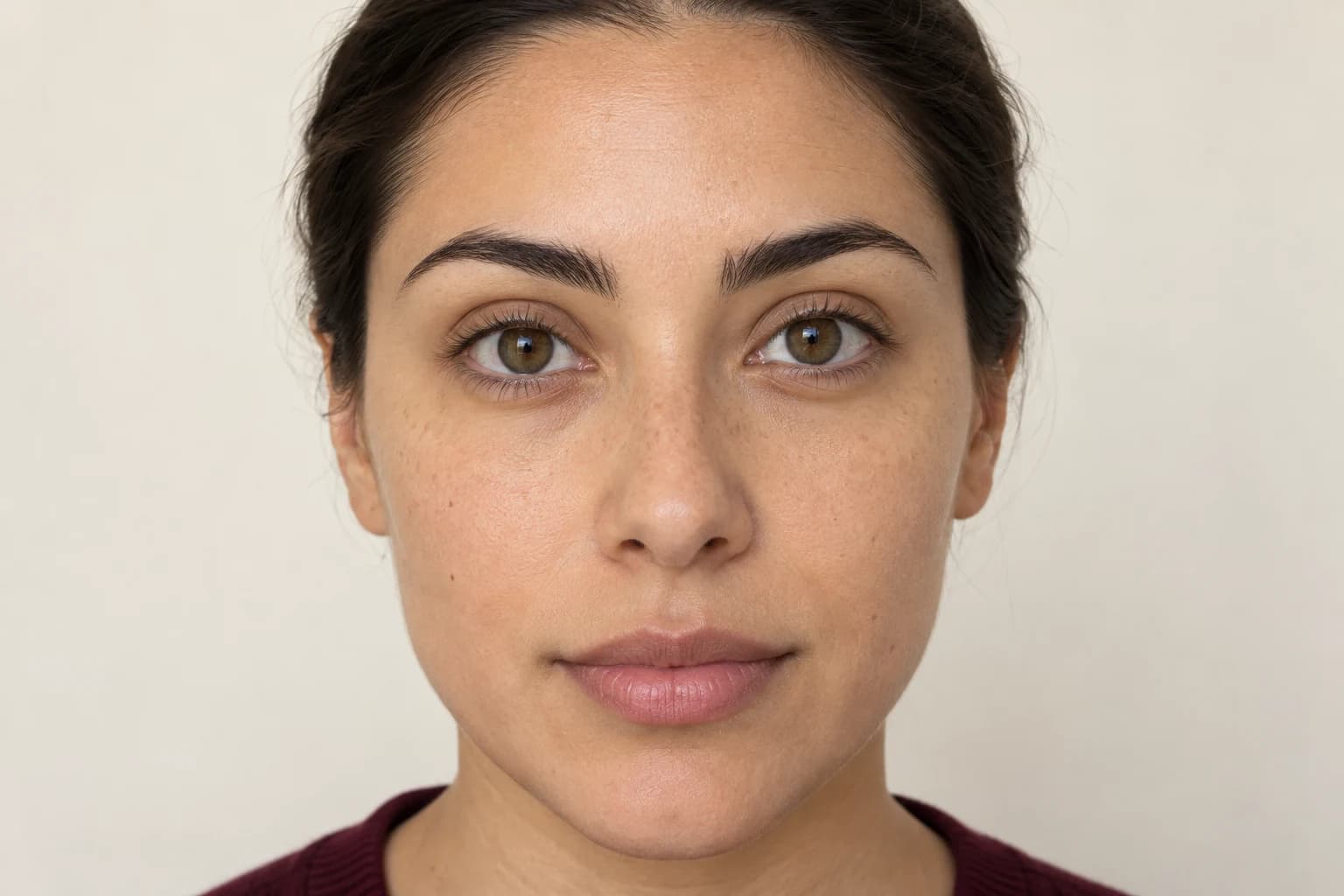
A clear starting portrait for the lengthening example. The examples below show three different models in AI-generated lash illustrations, not measured results from a mascara product.
Start with the effect you want
If you want your lashes to look a little more defined, begin with a natural finish. If you want the tips to stand out while the lashes remain separated, compare a lengthening look. If you want a darker, more noticeable lash line, try fuller volume. These are visual directions, not rules about which eyes should wear which mascara.
An AI mascara preview is useful for comparing those directions on a photo. It is less useful when it also changes the eyeliner, brows, skin or lighting: you can no longer tell whether you prefer the lashes or the rest of the makeover. Change one thing at a time.
Natural definition: keep the change subtle
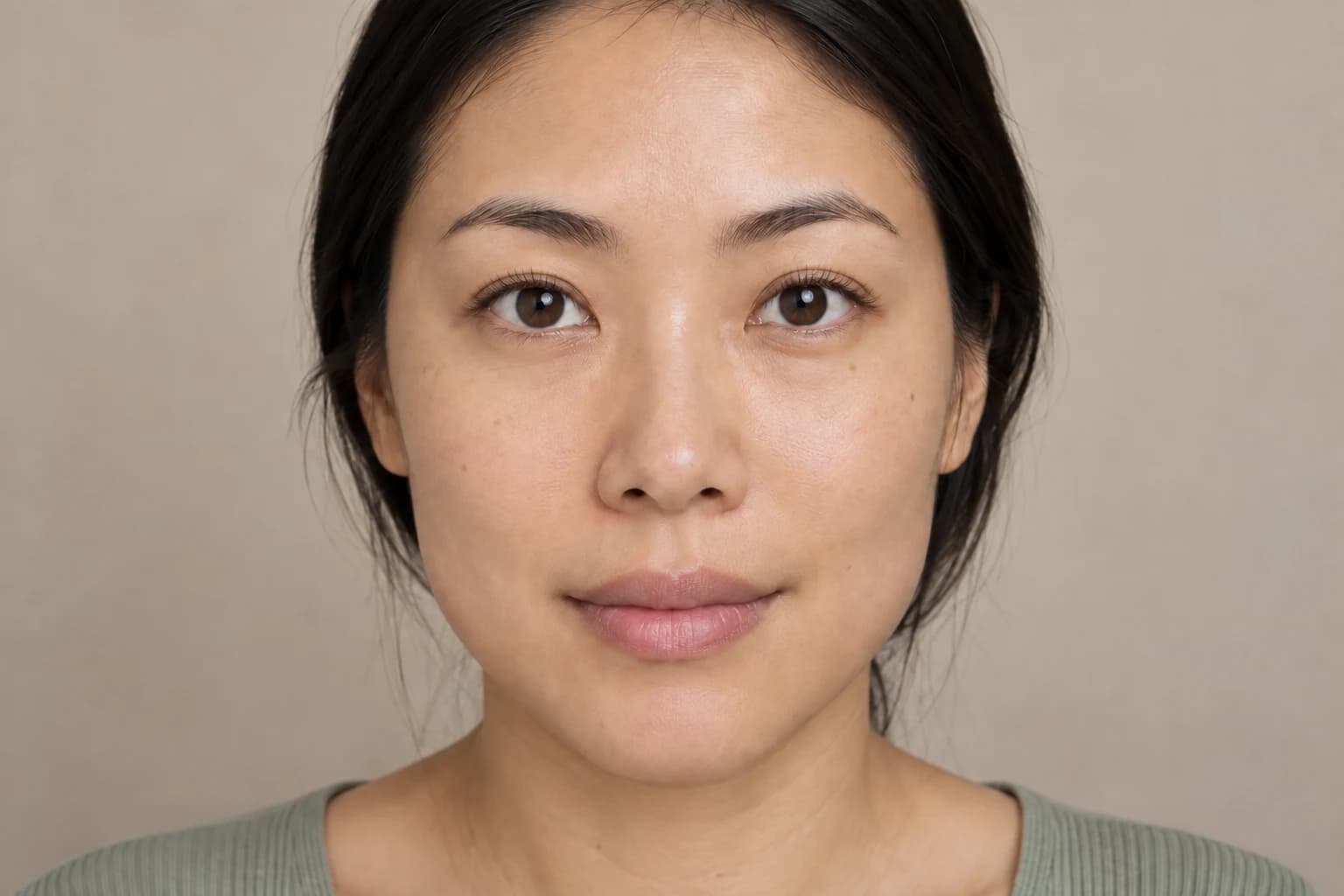
This is a useful first comparison when you like your everyday makeup and only want the lashes to read more clearly. Look for individual strands rather than a continuous dark band. The result should still feel close to your starting photo when you view the whole face.
Try this direction for a minimal makeup reference or when you want to compare brown-black with a deeper black look. A subtle preview is allowed to be subtle; it does not need an obvious transformation to help you choose.
- Look for: separated lashes and a light finish.
- Compare: whether the extra definition is visible at normal portrait size.
- Example brief: Subtle brown-black mascara, separated upper lashes, no added eyeliner or other makeup changes.
Length and lift: focus on the tips
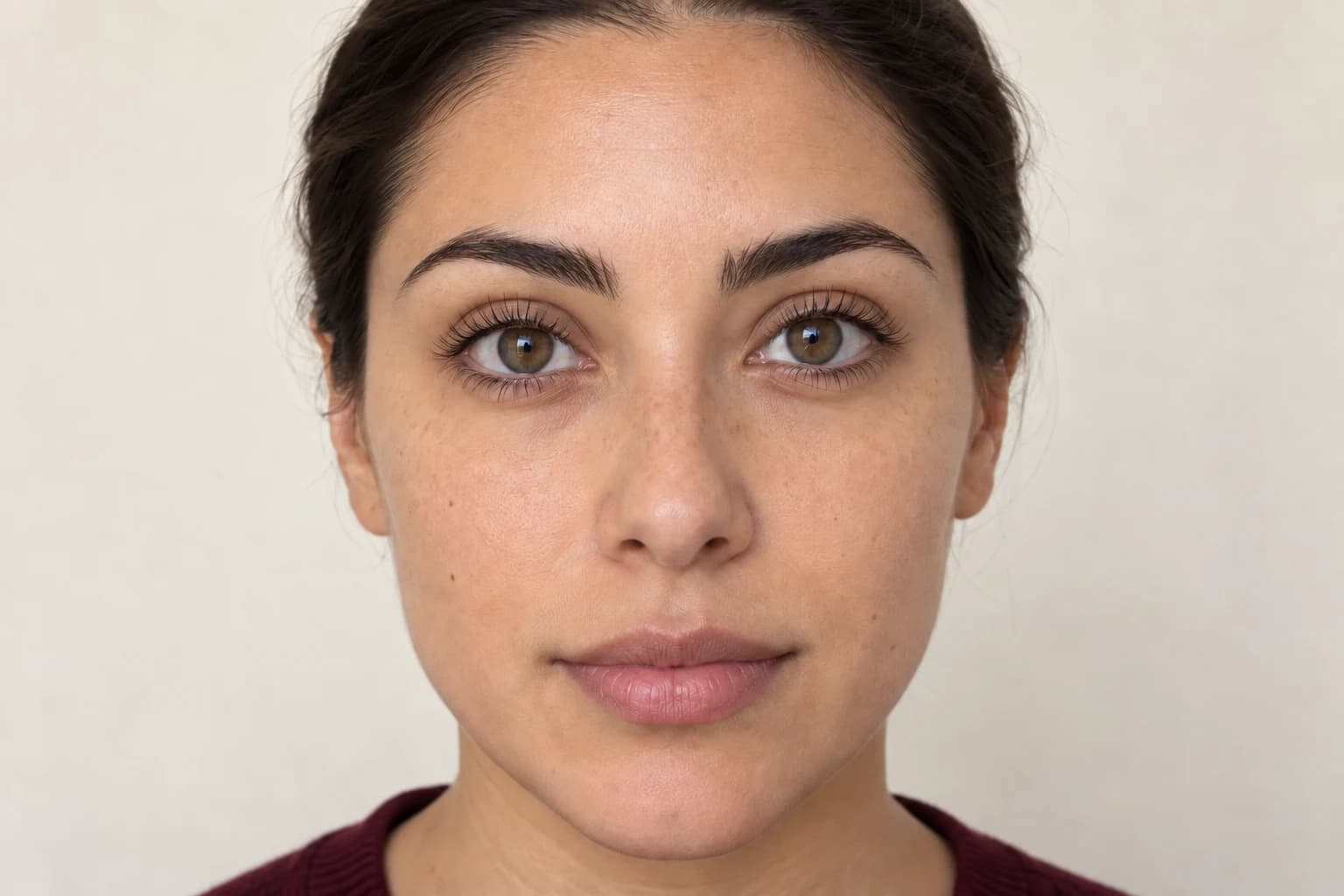
A lengthening direction makes the lash tips more prominent without requiring a thick lash line. In a preview, inspect the curve from root to tip and the space between strands. Longer does not have to mean heavier.
Check both eyes. If one set of lashes points in a different direction or the eye itself has become larger, that is more than a mascara change. Compare the corners of the eyes, the iris and the lid crease with your original before deciding that the look suits you.
The digital curve is a style reference. It does not establish how much lift a particular formula will hold on your own lashes throughout the day.
- Look for: longer tips, a lifted curve and visible separation.
- Compare: the lash silhouette with your eyes open, not just a magnified crop.
- Example brief: Lengthening black mascara with slender separated tips; preserve my eye shape, eye colour and brows.
Fuller volume: give the lash line more presence
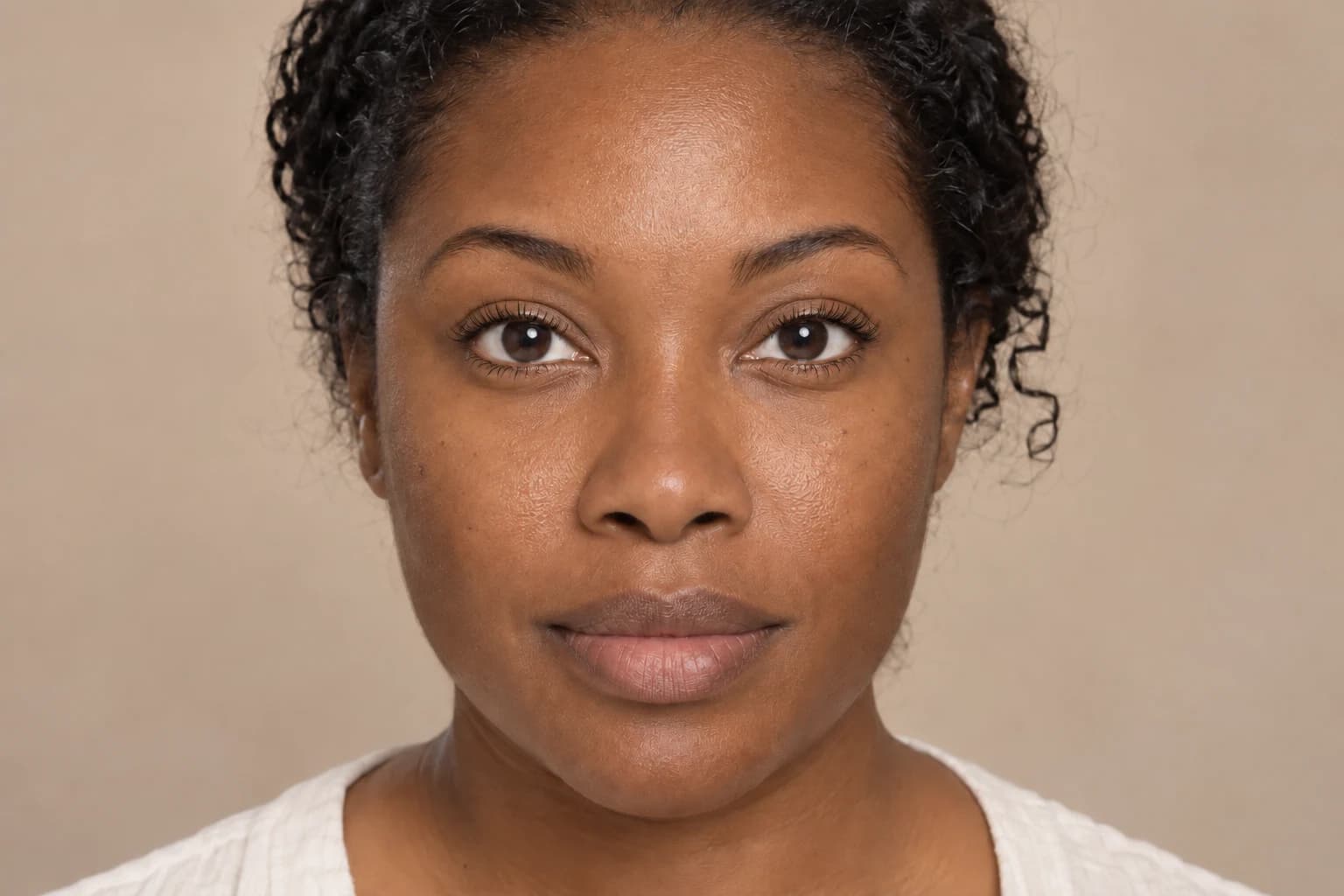
Choose this comparison when you want the lashes to be a noticeable part of the look. Judge the density near the roots as well as the length at the tips. A fuller direction can still leave the strands readable rather than merging them into a solid shape.
For an evening makeup reference, first compare the mascara on its own. Once you have chosen the lash direction, you can explore eyeliner or shadow as a separate decision. Keeping those steps separate makes it easier to describe what you actually liked.
If the preview looks like a strip of false lashes, decide whether that is really the reference you want. A mascara look, a false-lash style and a lash-extension style are different starting points, even if a generated image makes them look similar.
- Look for: a darker lash line and fuller strands without losing their shape.
- Compare: whether you still like the balance when viewing your whole face.
- Example brief: Fuller black mascara with fanned-out upper lashes; no false-lash band, no eyeliner, and no changes to my skin or lips.
How to compare a mascara look on your own photo
Open Uptone's mascara page and follow Try mascara into the makeup tool. Use a clear, front-facing photo with both eyes open and the lashes visible. Even lighting gives you a more useful starting point than a dim photo with one eye in shadow.
Choose the closest available mascara direction. If you are describing a custom look, keep the request focused on the lashes. Start every comparison from the same original photo, so earlier edits do not become part of the next result.
View each result close up, then at the size you would normally see a portrait. Keep the reference that communicates your preference most clearly. You can also decide that the original is the look you prefer.
- Keep the crop, expression and lighting consistent across comparisons.
- Check the iris, corners of the eyes, brows and lid crease for unintended changes.
- Check for stray dark marks, uneven lash placement or strands crossing unnaturally.
- Save your original alongside the preview you choose.
What the preview can help you decide
A useful takeaway is a clear visual brief: subtle and separated, longer and lifted, or darker and fuller. That is more specific than simply asking for better lashes, and it gives you a reference when planning the rest of your makeup.
The image cannot tell you whether a mascara will smudge, flake, feel comfortable or last through your day. Nor does it prove that a particular wand and formula will produce the pictured result. Use the preview to narrow the visual direction, then judge the actual product on its own performance.
A style preview, not a product wear test
The examples illustrate lash directions using AI. Your starting lashes, application and products affect the real result. A preview should help you describe a look, not promise a specific formula's performance.
Take the theory out of it.
Compare the three lash directions, then try a look on your own photo with Uptone.
Questions people ask
What is AI mascara try-on?
It is a generated preview of a mascara direction on a photograph. It can help you compare definition, length and volume, but it is not a test of a particular mascara formula or its wear.
Can I preview mascara without changing the rest of my makeup?
That is the most useful way to compare lash directions. Request or select a mascara-focused change, then check that the eye shape, brows, skin and other makeup remain consistent with the original.
What is the difference between lengthening and volumising looks?
A lengthening look emphasises longer lash tips and separation. A volumising look emphasises darker, fuller strands and a denser lash line. A finished look may combine both; comparing them separately helps clarify your preference.
Will an AI preview tell me which mascara to buy?
It can help you choose a visual direction. It cannot determine wear, comfort, smudging or the exact result of a formula on your own lashes, so those need to be assessed separately.
What photo should I use for a mascara preview?
Use a sharp, evenly lit portrait with both eyes open and the lashes clearly visible. Avoid beauty filters and keep the same original for each comparison.