






Try the hat on before you buy it.
Hats are the hardest accessory to buy blind. Crown height and brim width rewrite the proportions of your face, and the same shape flatters one person and swamps another. Preview the shape, scale and colour on your own photo first.
Try headwear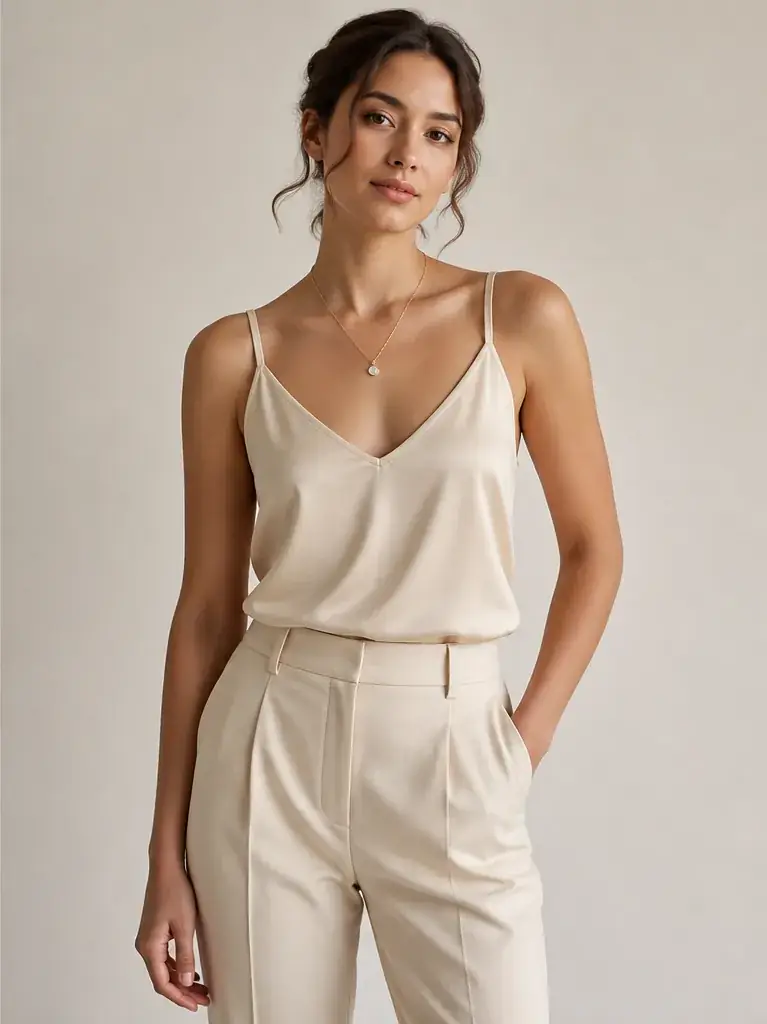
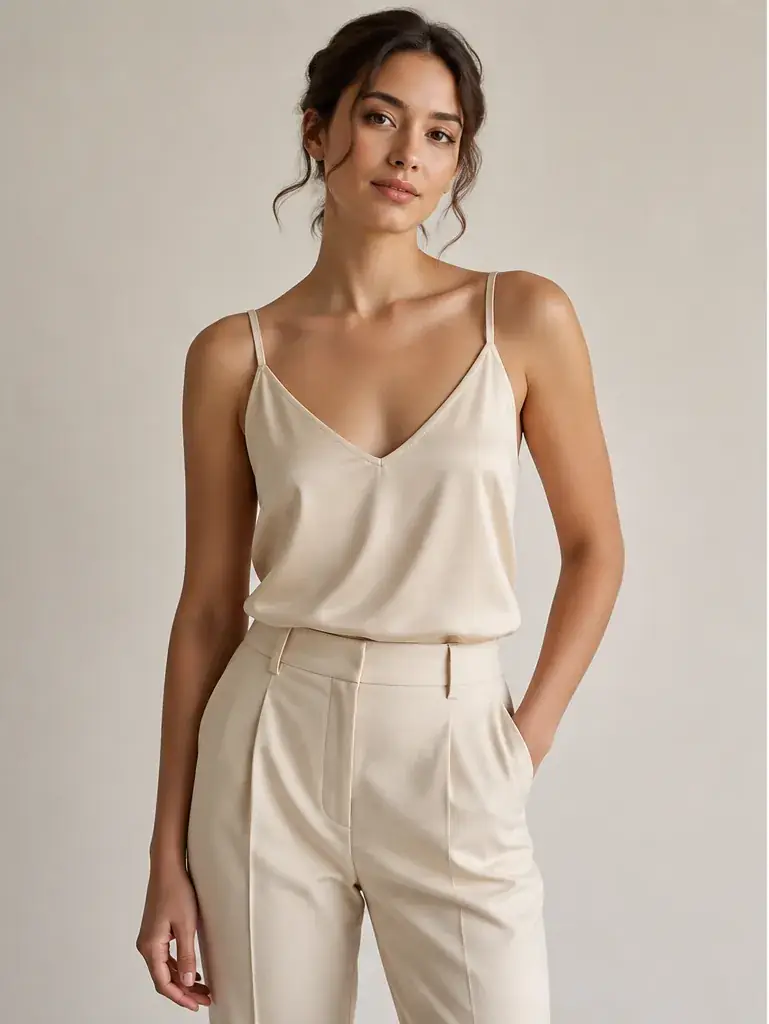
How it works
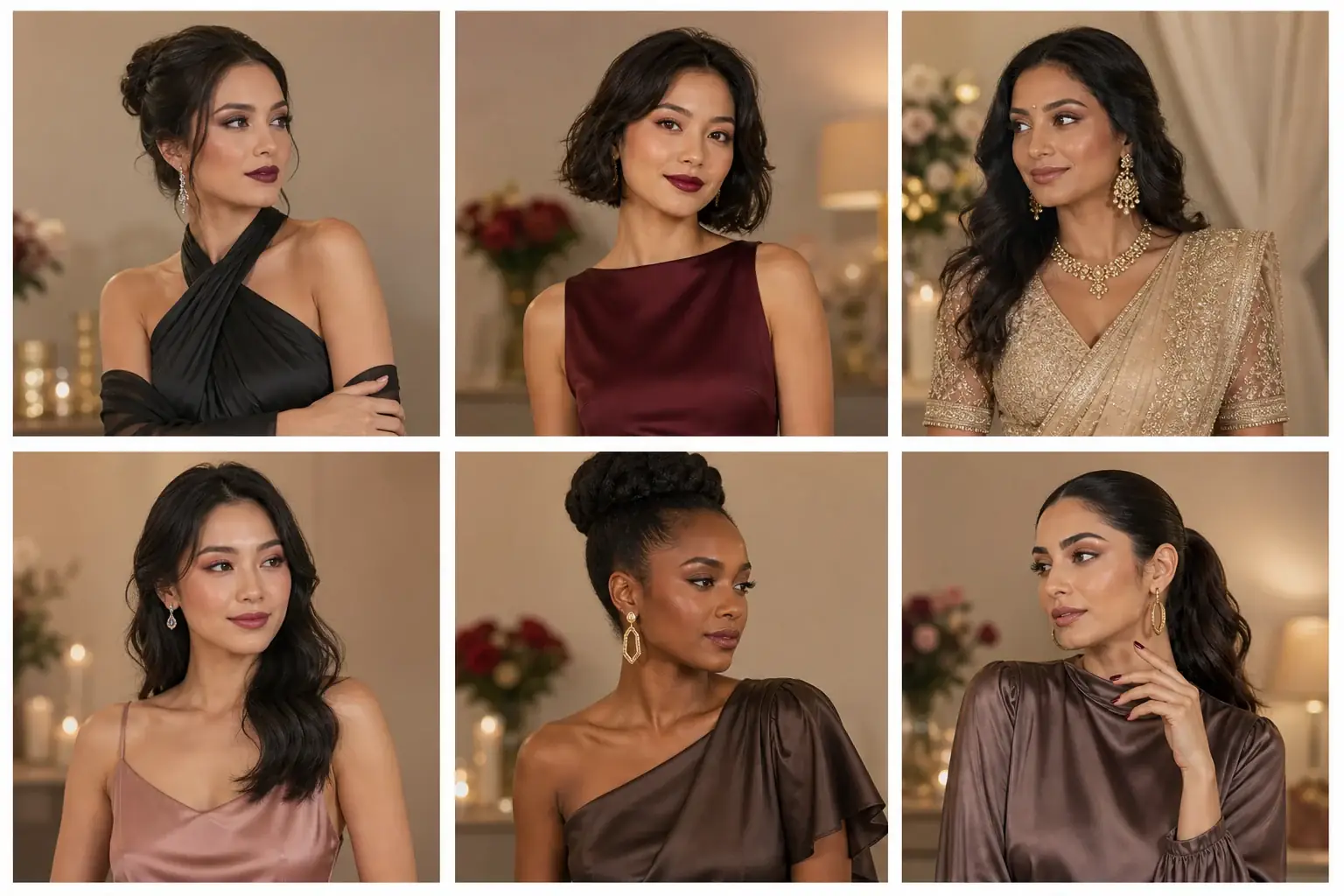
The adapted result, with your identity held steady Add your photo
Use a clear, front facing photo with your hair down and worn the way you would wear it under a hat. Hair volume changes how a hat sits and how much of your face it leaves visible.
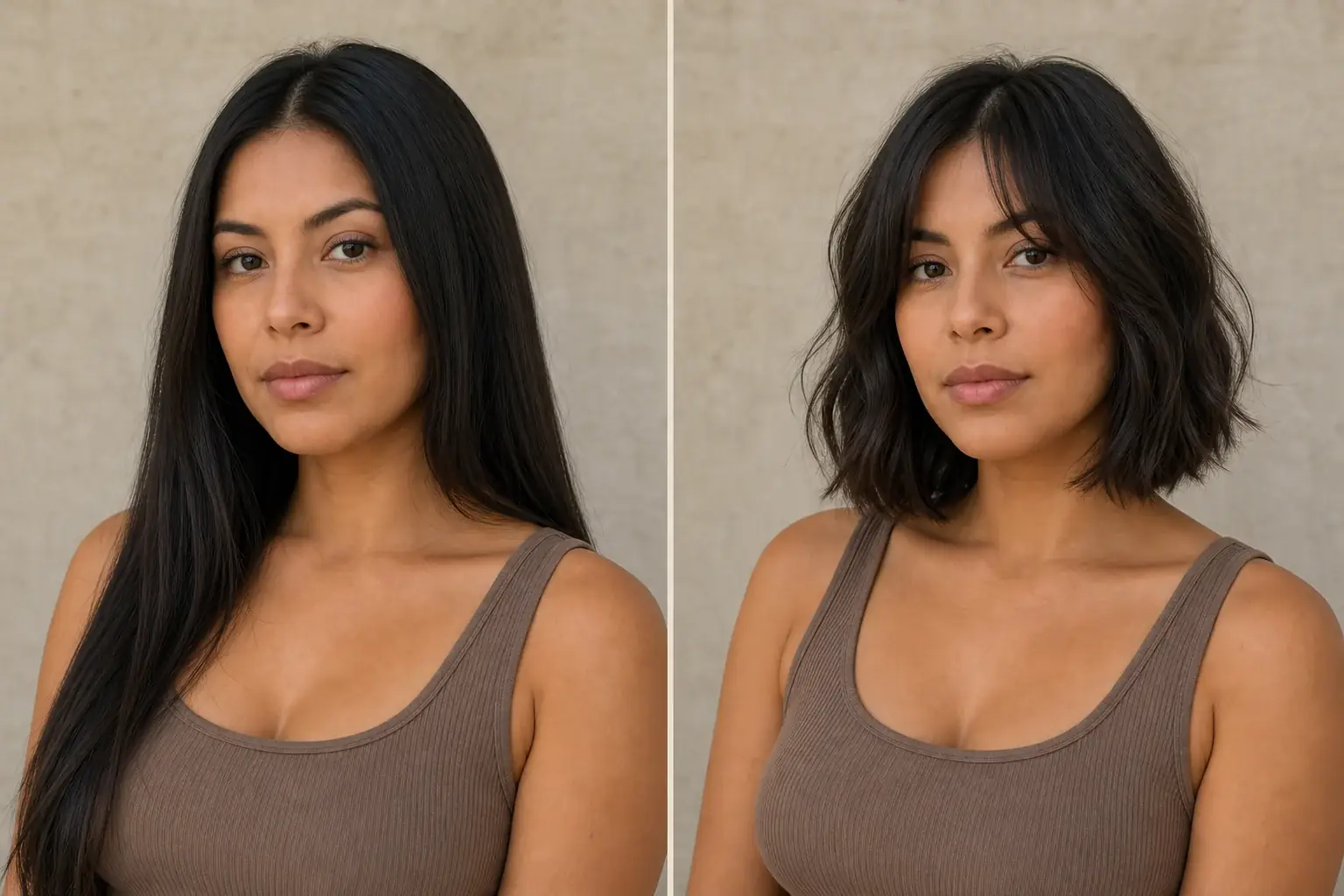
A reference you can actually take to a professional Describe the hat
Name the style (cap, beret, beanie, fedora, wide brim), the crown height and brim width you are considering, and the colour. Try your safe shape first, then the one you are curious about.
A clear before-and-after preview on you Judge proportions, then colour
Check what the crown does to your face length and whether the brim stays in balance with your shoulders. Then check the colour against your hair. Save the shape that passes both tests.
A hats and headwear reference that is actually yours
- Each hat shape on your own head at a believable scale, with your face and hair unchanged around it.
- Crown heights and brim widths compared, so you can see the exact point where a shape stops flattering you.
- Colours tested against your hair and skin tone, the two things a hat is always seen against.
- A saved shortlist to work from before you order or go into a shop and start trying on.
Shape and crown first, colour last
A hat changes the architecture of your head. A tall crown lengthens a round face and can overwhelm a small one; a wide brim balances a longer face and shades it, but it also shortens the face it sits on and can swallow fine features. The working rule is contrast and balance: angular faces carry structured shapes like fedoras and flat caps well, softer faces take softer crowns, and the brim should stay in proportion to your shoulders as well as your face. Colour follows your colouring and your hair. A hat sits directly against both, so a tone that fights your hair colour will lose every day, however good the shape is.
Where this struggles
Fit is invisible in a photo
The preview cannot tell you your head size, how tight the band sits, or whether the hat will stay on in a wind. It also cannot show how a hat compresses your actual hair over a full day of wear. Use it to choose shape and scale, then use the size guide and a mirror for fit.
Materials behave differently in real life
Felt holds a shape that a screen renders softly, straw and floppy brims move as you do, and dark colours look heavier in daylight than on a display. Treat the preview as the decision on shape and proportion, and expect the material to have more character, for better or worse, in person.
Your photo stays yours.
Uptone edits your own photo rather than replacing you with a generic model. It never rates your appearance, and you can delete your photos whenever you choose.
Questions people ask
- Which hat shape suits a round face?
- Shapes with some height and structure: a fedora, a cap with a defined crown, a beret worn at an angle. They add length above the face. Avoid low, wide, rounded crowns, which mirror the face's shape and make it read rounder.
- How does crown height change how I look?
- A taller crown makes the face below it look longer and slimmer, and it adds presence, which suits longer faces and taller frames. On a small face or a petite frame it can look like the hat is wearing you. If the preview shows more hat than face, drop the crown height before you change the style.
- Can I check a hat colour against my hair?
- Yes, and you should, because the hat band sits right against your hair. A colour close to your hair reads calm and goes with more outfits; a strong contrast makes the hat the headline of the whole outfit. Preview both and decide which job you want the hat to do.
Retouching is one half of what Uptone does. The other is trying a full makeup look on the same photo.
Try a full AI makeup look