What is color analysis? The method behind the 12 seasons
A season is not a personality type and it is not a horoscope. It is the output of one structured comparison, colors held against your face, repeated until a pattern wins. This is the method, stated plainly.
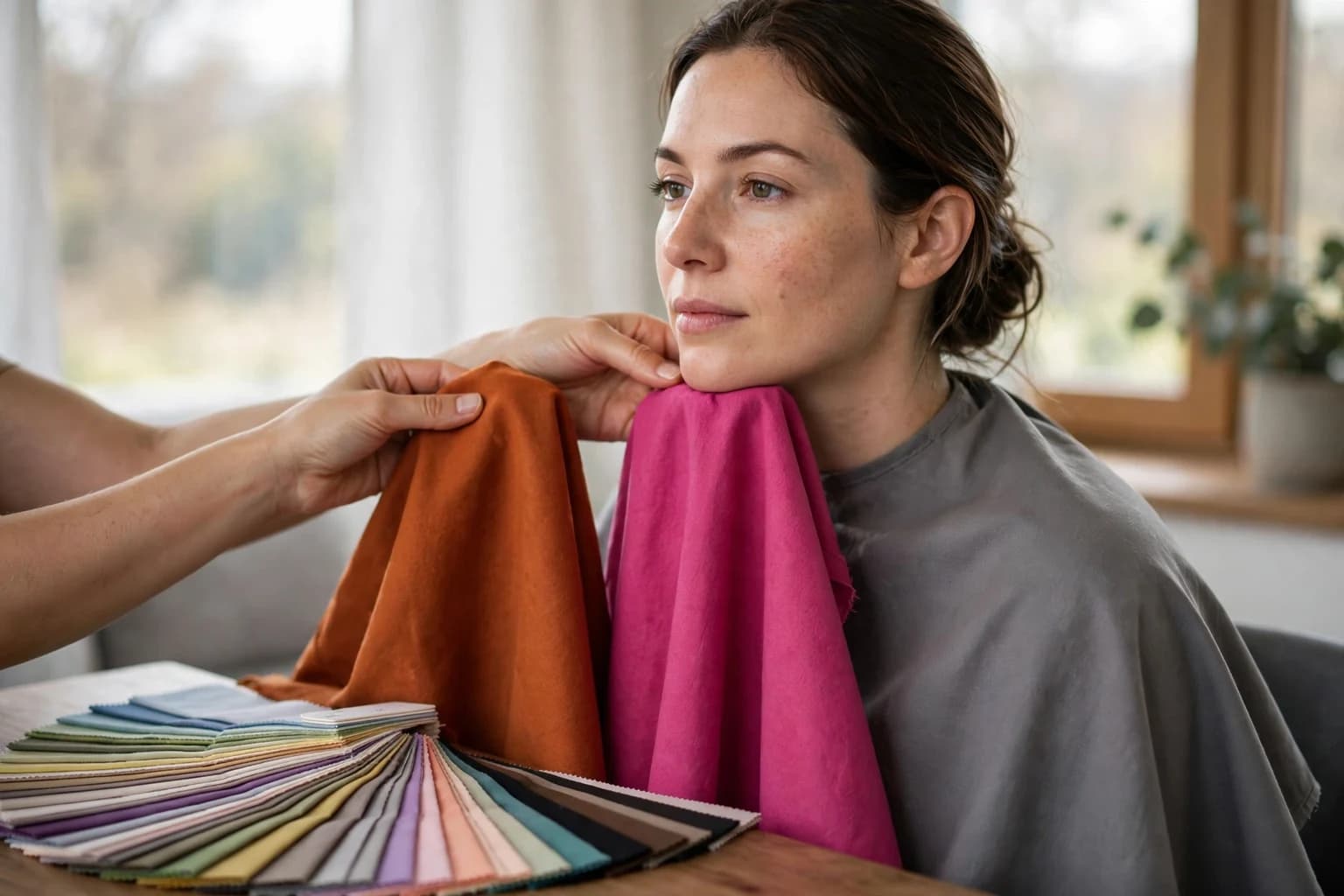
The original instrument of color analysis is not a quiz or an app. It is fabric, daylight and a face, compared two colors at a time.
Direct answer
What is color analysis? Color analysis is a method for finding the colors that flatter your natural coloring: the skin, hair and eyes you were born with. It reads three qualities of that coloring, its temperature (warm or cool), its value (light or deep) and its chroma (clear or soft), and sorts you into a palette, most often named as one of 12 seasons, such as Soft Summer or Deep Autumn, which you then apply to clothes, makeup, jewellery and hair color.
Key takeaways
- Color analysis measures three things: temperature (warm or cool), value (light or deep) and chroma (clear or soft). Your season is the combination, named for its dominant quality.
- The original method is draping: colored fabric held under your bare face in daylight, two colors at a time, while the analyst watches what your skin does.
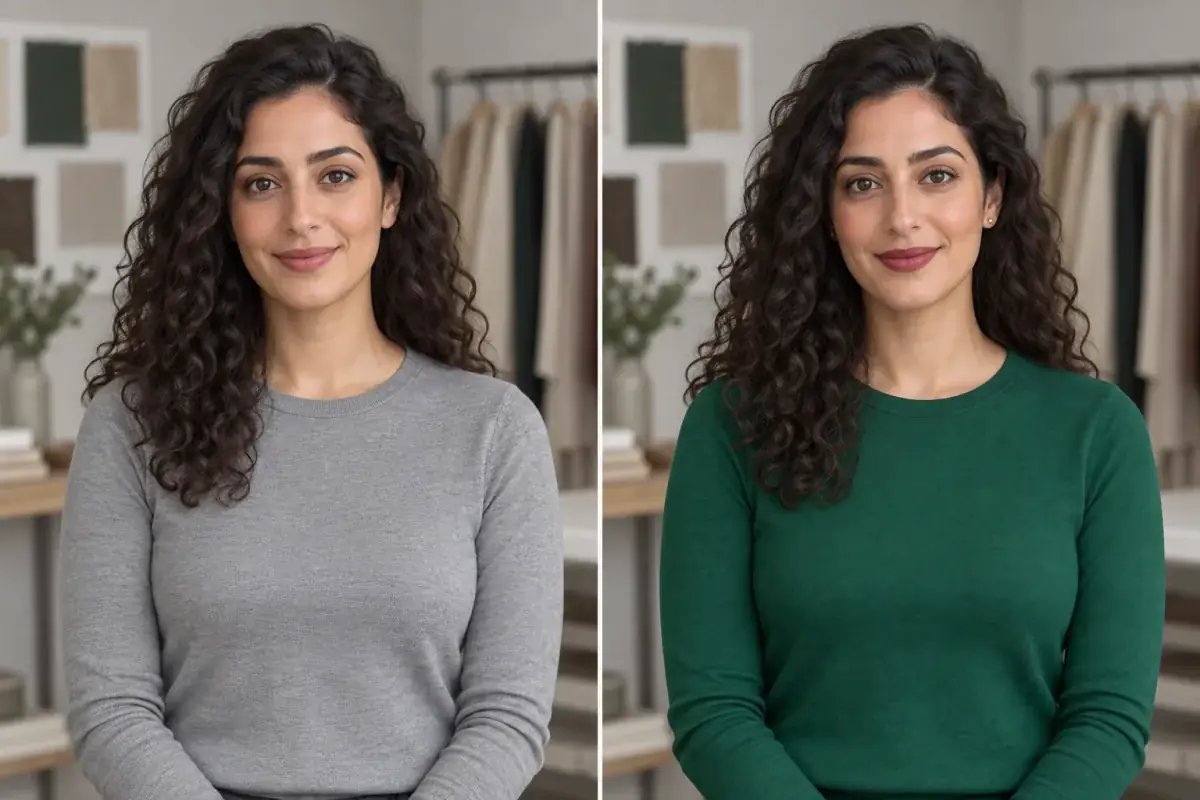
- The right colors make skin look even and eyes clear; the wrong ones add shadows and a grey or yellow cast. That visible reaction is the entire evidence base.
- AI analysis reads the same three qualities from a photo instead of fabric. It is fast and repeatable, but only as honest as the photo's light.
- A season narrows your choices usefully. It cannot pick one exact shade for you, and it never overrules what you can see on your own face.
What does color analysis actually measure?
Every modern system, from a fabric draping to an app, reads the same three qualities of your natural coloring. Your season is simply the address where the three readings meet.
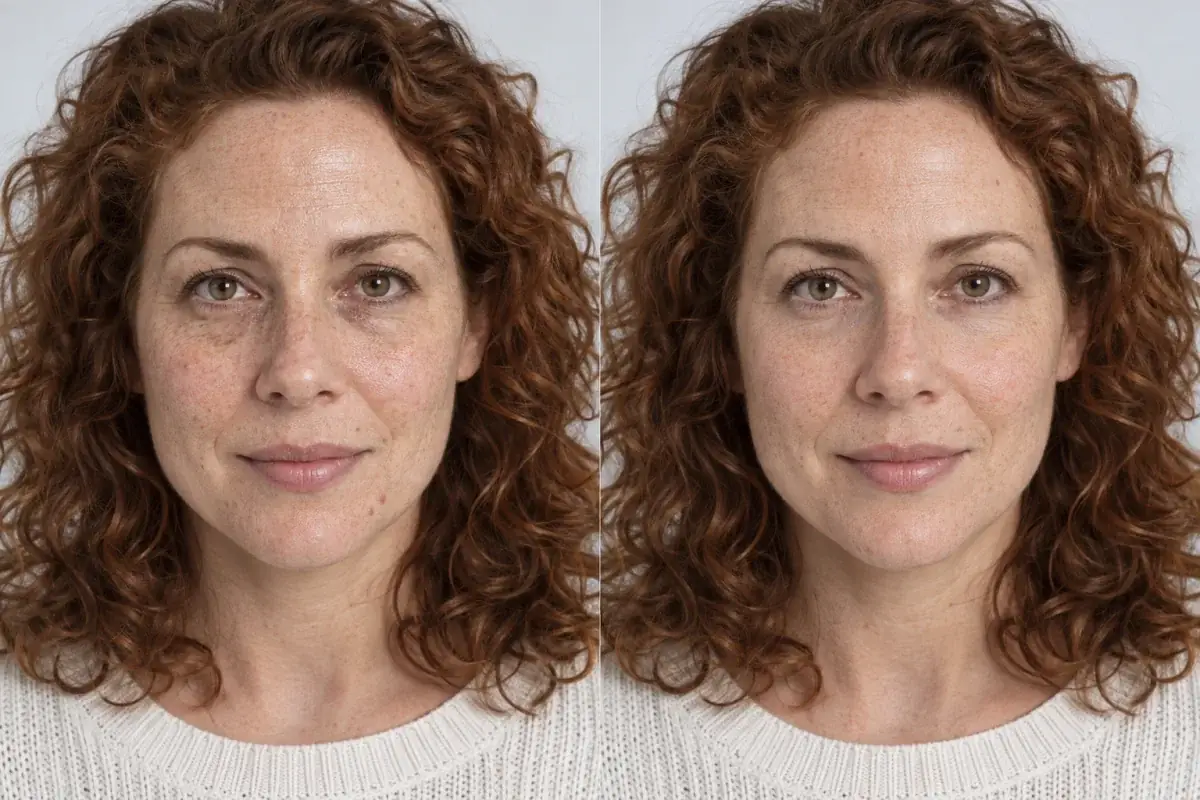
The four families are the temperature and chroma corners. Spring is warm, generally light and clear. Summer is cool, generally light and soft. Autumn is warm, generally deeper and soft. Winter is cool, deep or high contrast, and clear. The 12 season system then splits each family into three, named for whichever quality dominates: a Light Spring is light first and warm second, a Soft Autumn is soft first and warm second, a Bright Winter is clear first and cool second. That dominant quality is also the practical one, because it tells you which mistakes will cost you most. A Soft season is ruined by saturation before it is ruined by temperature; a Deep season is ruined by paleness first.
Contrast, the gap between your hair, skin and eye depth, is read alongside the three as a supporting measure. It is why two people in the same season can wear the same palette at different strengths.
- Temperature: Is the cast under your skin golden, or pink and blue?; The two poles: Warm or cool
- Value: How light or deep is your coloring overall, skin, hair and eyes together?; The two poles: Light or deep
- Chroma: Do you carry clear, saturated color, or soft, greyed color?; The two poles: Clear (bright) or soft (muted)
How does a draping session work?
The in person method has barely changed since the system spread in the 1980s, and it is worth knowing because every digital version is an imitation of it.
A full session with a trained analyst is the most controlled version of the test, and it is priced like a professional service: several hundred dollars is typical, with around $400 a common figure for a complete draping. That price is precisely why the photo based versions exist.
- The setup comes first. Bare face, hair covered or pulled back, a grey or white cape over your clothes, and daylight or full spectrum light, so that nothing in the room adds color except the drapes themselves.
- Temperature drapes split the field. Warm and cool versions of the same color are held under your chin in turn, gold against silver, coral against fuchsia. One side will make your skin look even and your eyes clear; the other adds shadows or a yellow or grey cast. That reaction decides warm against cool.
- Value and chroma drapes refine it. Inside the winning temperature, light is tested against deep, and clear against soft, until one combination keeps winning.
- Season drapes confirm it. Full sets from the candidate seasons are compared against each other, and the analyst watches the same evidence throughout: skin evening out, eyes clearing, shadows under the eyes and around the mouth softening or deepening.
- You leave with a verdict and a tool: your season, and usually a swatch wallet of its palette for shopping.
What does the AI version do differently?
AI analysis replaces the fabric with a photo and the analyst's eye with measurement, and the versions differ in how much of the original method they keep.
Quizzes keep the least. They ask you to describe your own hair, eyes and coloring, and most people misjudge exactly the qualities that matter, chroma and contrast. Photo analysis measures instead of asking: it reads the actual colors of your skin, hair and eyes and classifies them against the same three qualities. A chat assistant sits in an odder position still, because it returns a season label in words, from a photo it may read loosely and with no draping step you can inspect; our guide to checking a ChatGPT season exists because that label fails in repeatable ways. Virtual draping keeps the most of the original method, because it recolors fabric or clothing on your photo so the comparison still happens on your face.
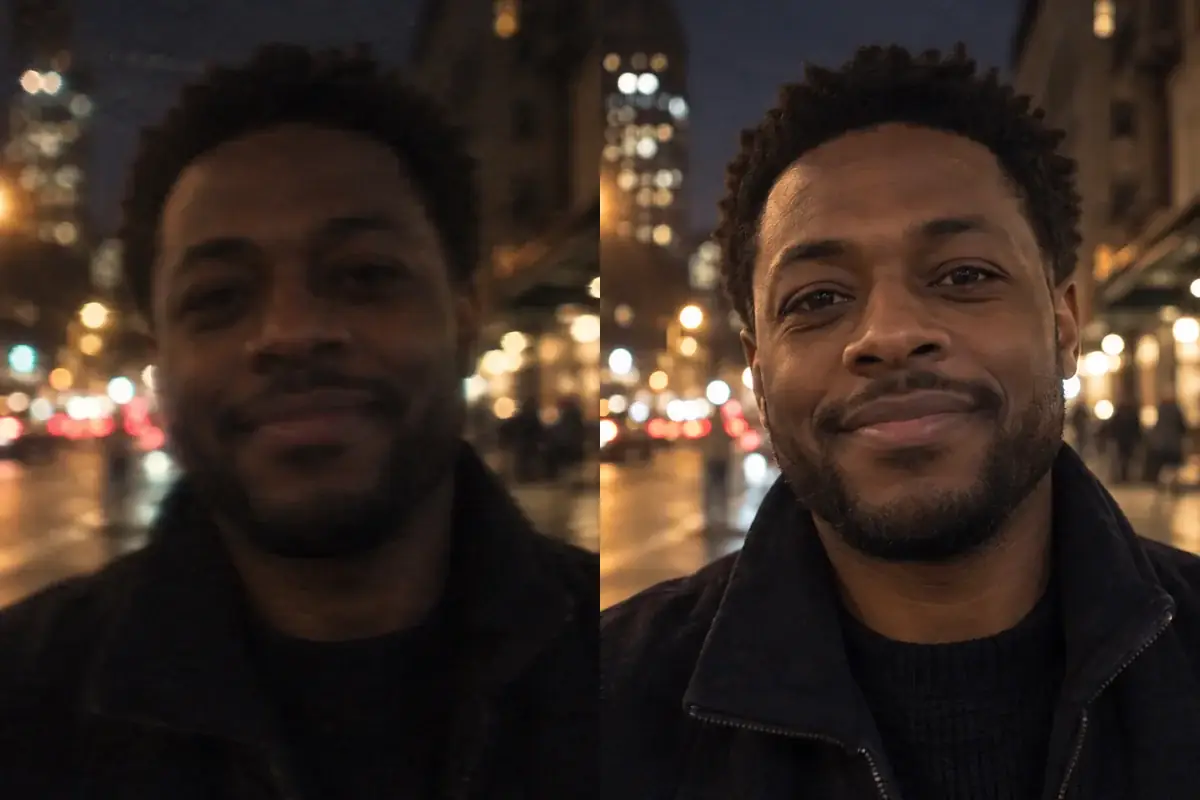
The failure modes of photo analysis are consistent, and they are all about light. Warm indoor light pushes everyone toward warm. Phone cameras rebalance color to flatter, which is a quiet edit of the evidence. Beauty filters smooth and recolor skin. Makeup changes the undertone reading on purpose, and dyed hair misleads value and temperature both. None of this makes the photo route useless; it means the photo has to be honest, daylight, bare faced, filters off, before the measurement deserves trust, and the label has to survive a visual check afterward.
What can color analysis decide for you, and what can it not?
It can decide direction, and direction is most of what people get wrong. A season settles your foundation undertone, your jewellery metal, the temperature and depth band your hair color should live in, and the palette your wardrobe neutrals should come from. Those are recurring purchases, which is where the money saving lives: fewer pieces that looked right in the shop and wrong at home.
It cannot decide the final shade. A season tells you copper suits your coloring; it cannot tell you whether the level 6 or the level 7 copper is yours, because that depends on your starting level and your face, and it is settled by levels and a preview, not by palette. It cannot weigh in on taste: a color inside your palette that you dislike will stay unworn, and one outside it that you love and wear confidently is not a crime the method can prosecute. And it is not a lifetime sentence with no movement. Your undertone is fixed, but value and chroma drift as hair silvers and contrast softens with age, which can move you within your family, from Bright Winter toward Cool Winter, say, without changing your family at all.
Where should you start if you want your season?
Start with the map, then the measurement, then the check. The hub explains all 12 seasons and how to recognise your family before any tool is involved. Then run an analysis from one honest photo. If you are choosing between apps and services rather than methods, our comparison of the main options is its own guide. Whatever returns a label, finish with the step the draping method is built on: put the season's signature shades on your own photo and watch your skin, because a label that wins on your face has been checked, and one that has not is still a guess.
Get your season read from a photo, then test its signature shades on the same face.
Source: Uptone season hub
A sorting system, not a measurement
Color analysis has no governing standard. Systems run to 4, 12 or 16 seasons, brands name the subdivisions differently, and two competent analysts can place a boundary face in neighbouring seasons and both be defensible. Treat the output as the best current sorting of your coloring, strong enough to shop and choose hair color by, and not as a fact about you that outranks your own mirror. When the label and your face disagree, the face is right.
Take the theory out of it.
The article defines the method and its limits; the honest next step is the measurement itself, done from one daylight photo, with the result checked visually against the reader's own face rather than taken as a label.
Questions people ask
Is color analysis accurate?
The method is consistent: the same three qualities, read from the same face, produce the same season. Accuracy lives or dies in the inputs. A controlled draping in daylight is the most reliable version; a photo analysis is reliable when the photo is bare faced, unfiltered and taken in soft daylight, and unreliable under warm indoor light.
Can color analysis be done from a photo?
Yes, and it is now the most common route. The photo needs daylight on your face, no filters or portrait mode, no makeup, and ideally a white or light top as a color reference. The result should then be checked visually, by comparing the season's shades on your photo, rather than accepted as a label alone.
What is the difference between undertone and a color season?
Undertone is one of the three qualities a season is built from: temperature. The season also reads your value and your chroma, which is why two people with the same warm undertone can land in different seasons, one a clear Warm Spring and the other a muted Soft Autumn. Undertone alone cannot name your palette.
Can your color season change?
Your undertone cannot; it is fixed for life, and tanning does not change it, because a tan darkens surface color only. Value and chroma can drift as hair silvers and contrast softens with age, which may move you to a neighbouring season inside the same family. Changing your hair color changes readings too, so analysis should always be run on your natural coloring.
How much does color analysis cost?
At the top, a full in person draping with an analyst commonly runs to several hundred dollars, around $400 being a typical figure. Virtual sessions with an analyst sit below that, AI apps charge from nothing to roughly the price of a coffee per report, and photo based analysis tools like ours run from a free first read. The method is the same at every price; what changes is the control over light and the human eye in the room.