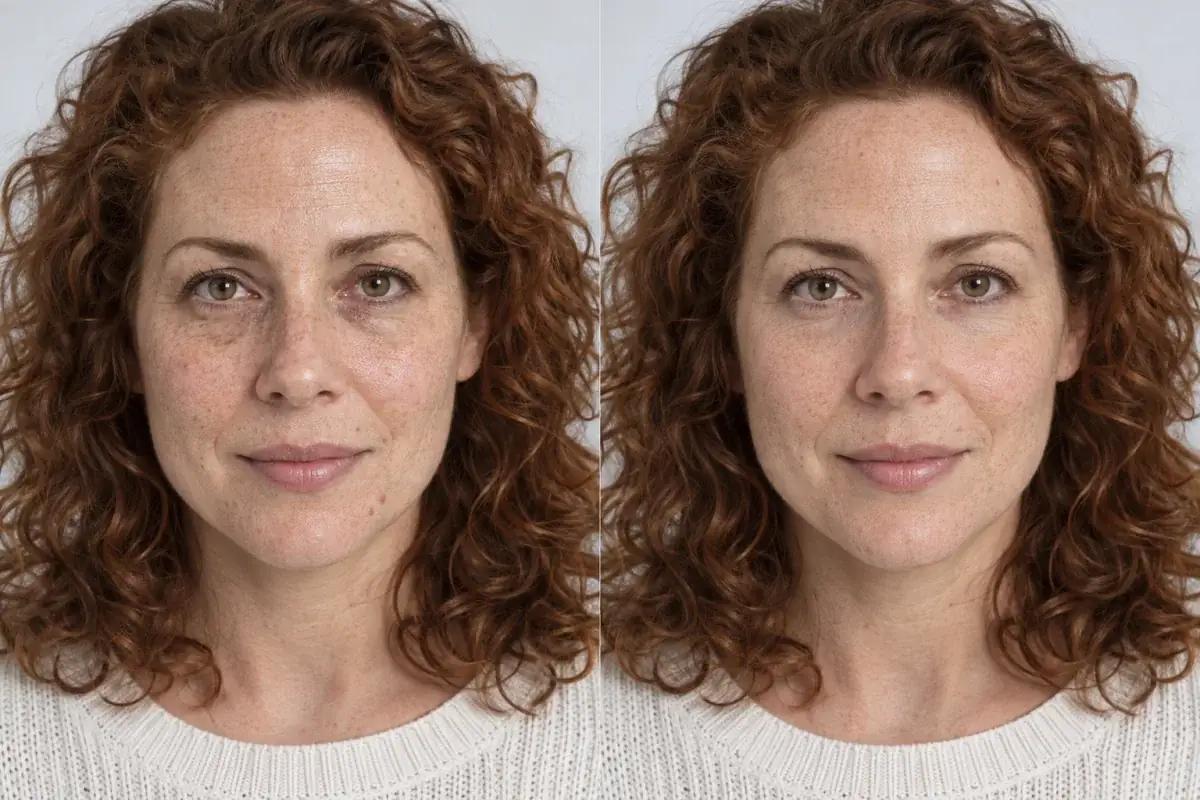
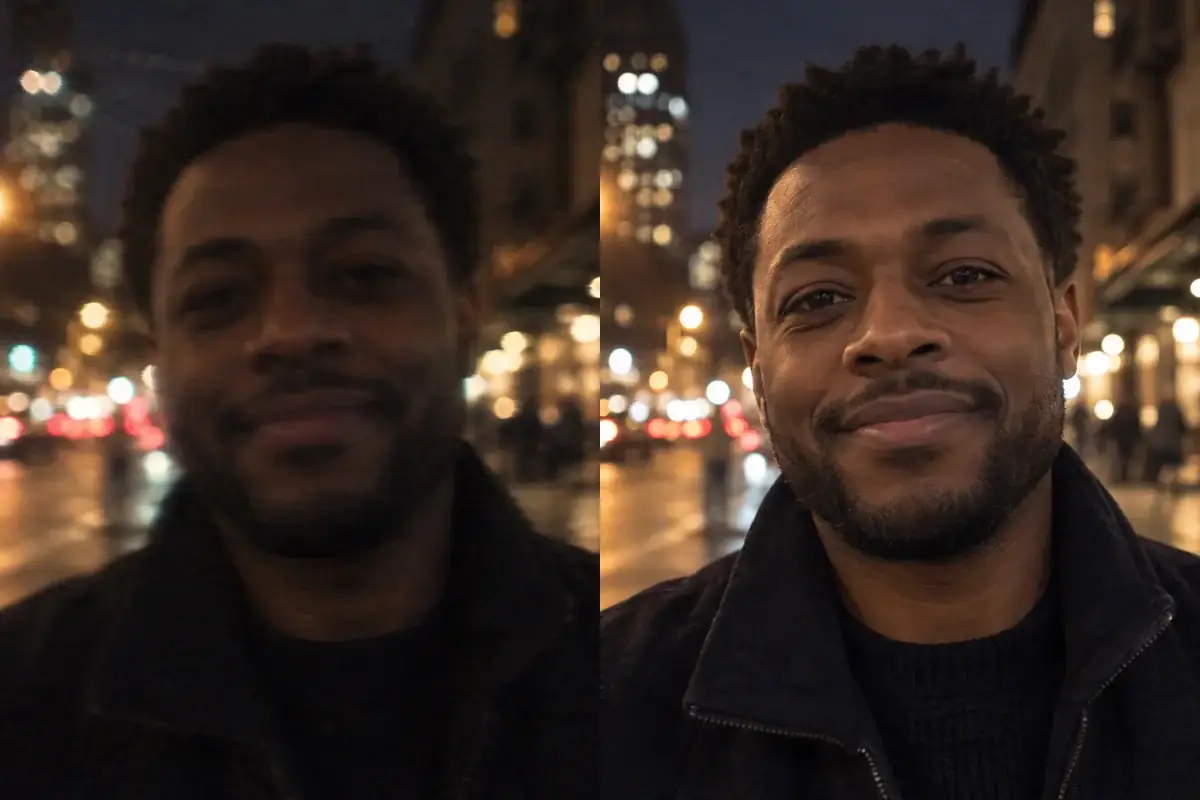
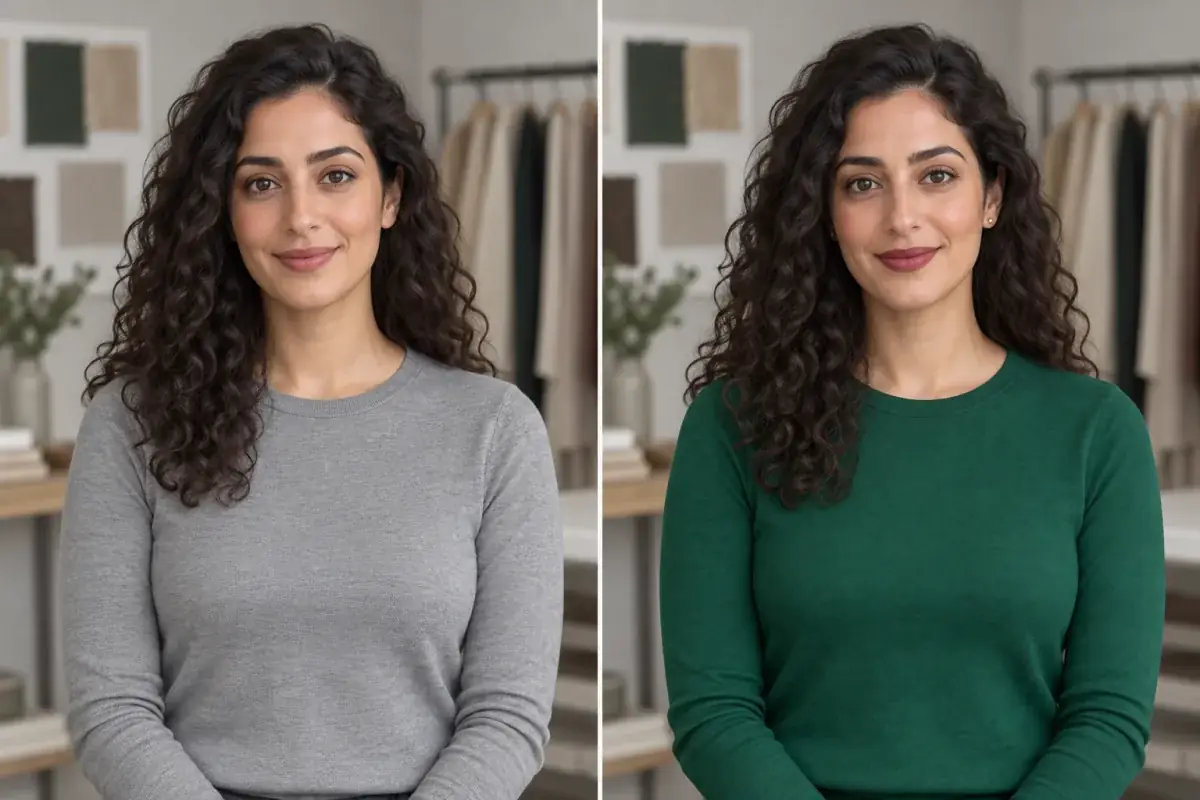
Before your bridal makeup trial: decide the look on your own face first
A makeup trial costs real money and usually tests one look, so the deciding belongs before the appointment, on your own face, for free.
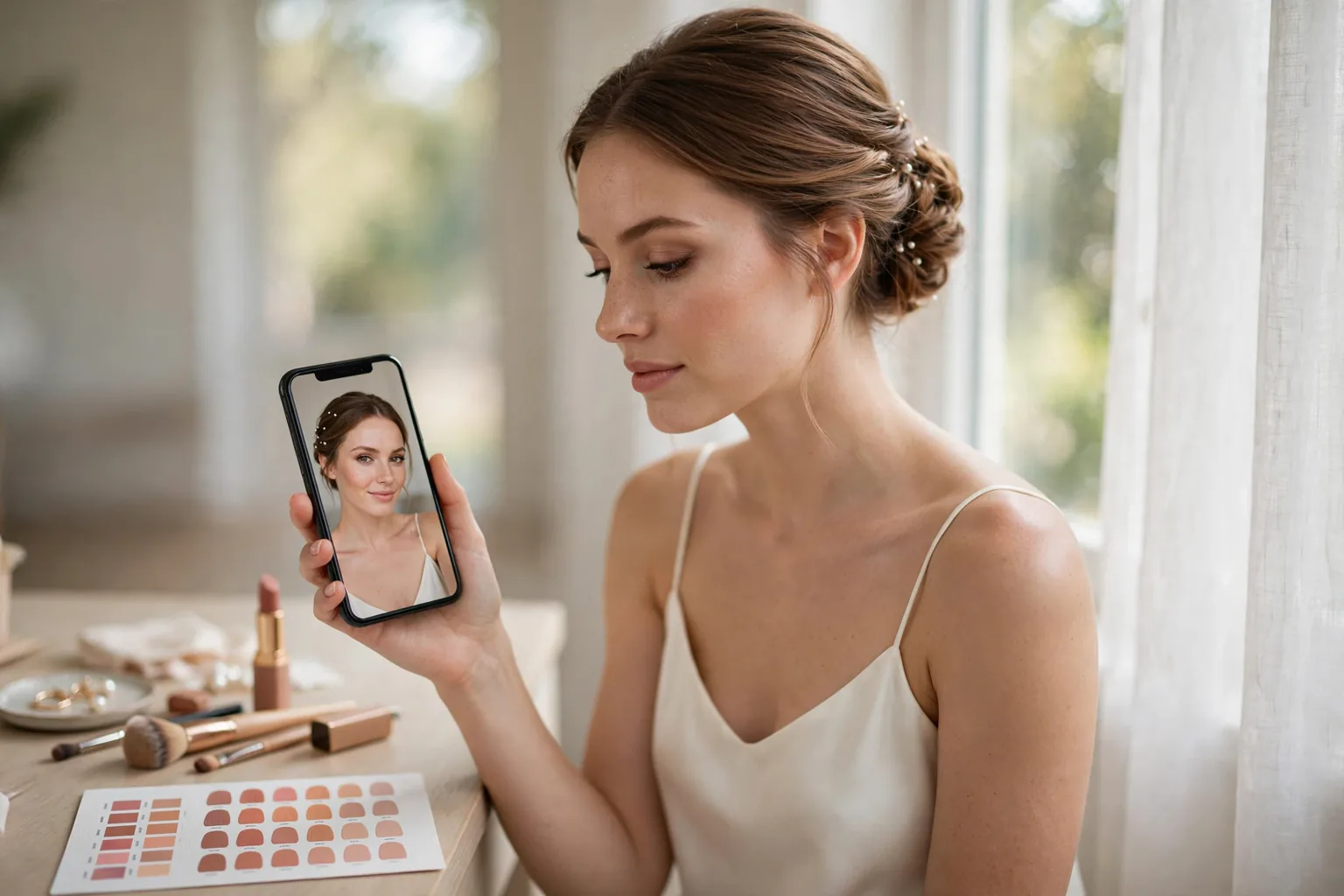
The trial goes better when the look is already chosen: one face, one decided look, and the shades written down before the appointment starts.
Direct answer
What should you decide before a bridal makeup trial? Decide the four things a trial cannot invent for you: your base finish (matte, satin or dewy), how strong the eye look is, your lip shade family, and whether you are wearing false lashes. Test each one on your own photo first, choose a single look, and write its exact shades down. Then the paid trial becomes what it should be: a rehearsal of one chosen look by the artist who will do it on the day, not an expensive guessing session.
What does a bridal makeup trial cost, and what are you actually paying for?
Wedding cost guides put a bridal makeup trial between roughly 50 and 300 dollars, depending on the artist and the city, and most trials cover one look. That fee buys two things: the artist's time and technique, and proof of how the makeup wears on your skin across a few hours. It does not buy exploration. An artist working through three undecided directions in one appointment gives each direction a third of the attention, and you leave with three maybes instead of one decision.
This is the arithmetic that makes deciding first worth it. One chosen look, tested properly at the trial, usually means one appointment. Arriving undecided commonly means a second trial, at a second fee, closer to the wedding when artists are busiest. The deciding work costs nothing but an evening; it is the trialing of undecided looks that is expensive.
Source: The Knot, wedding hair and makeup trial 101: cost, tipping, booking and prep
What exactly should you decide before the trial?
Five decisions, in the order an artist will ask about them:
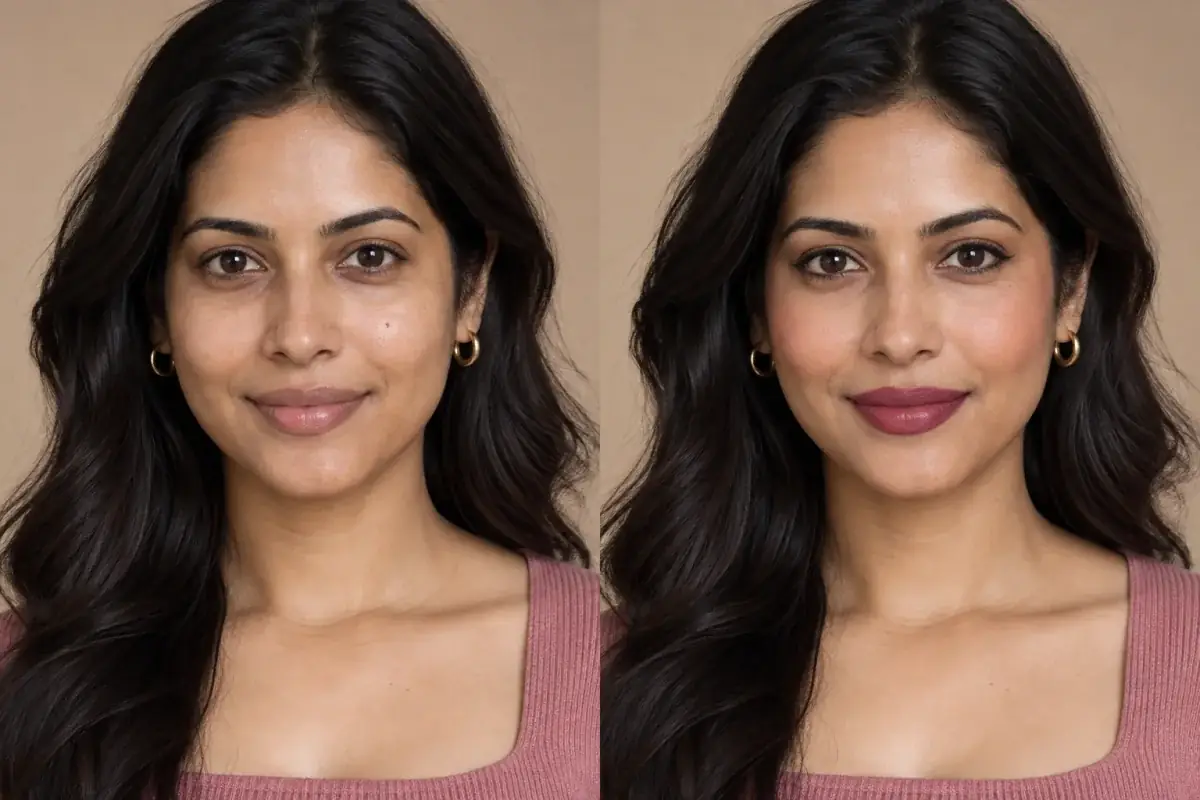
- Base finish: matte, satin or dewy. This is the decision photographs care about most. Dewy skin can read as shine under flash by hour three, and fully matte skin can read flat in soft daylight. Satin is the middle most brides land on, but land on it by testing, not by default.
- Coverage: how much of your real skin shows through. Decide whether freckles stay visible and whether you want full correction of redness or pigmentation, because coverage changes how every other element reads.
- Eye strength: natural, soft glam or full glam. Name it in those words, and know your liner answer too: none, tightline only, or a wing. Eye strength is the decision brides most often leave vague and most often regret in photos.
- Lip shade family: your lips but better nude, rose, berry or a true red. Decide the family at home; the exact shade is what the trial refines. Lip color is also where your coloring narrows the field fastest, and our what color season am I hub gives you a starting palette if you know your season.
- Lashes: none, individual clusters or a strip lash. This changes the eye look's whole register, and it is a comfort decision as much as a visual one, so make it before someone glues a choice to your face.
How do you test the look on your own face first?
With your own photograph, in the two lights a wedding actually happens in. Inspiration photos of other women fail here for a plain reason: their bone structure, coloring and skin are not yours, so the look you fell for is partly a face you do not have. A photo of you removes that variable. Start with a truthful base photo: our photo for an accurate try-on guide covers the angle, light and bare skin it needs.
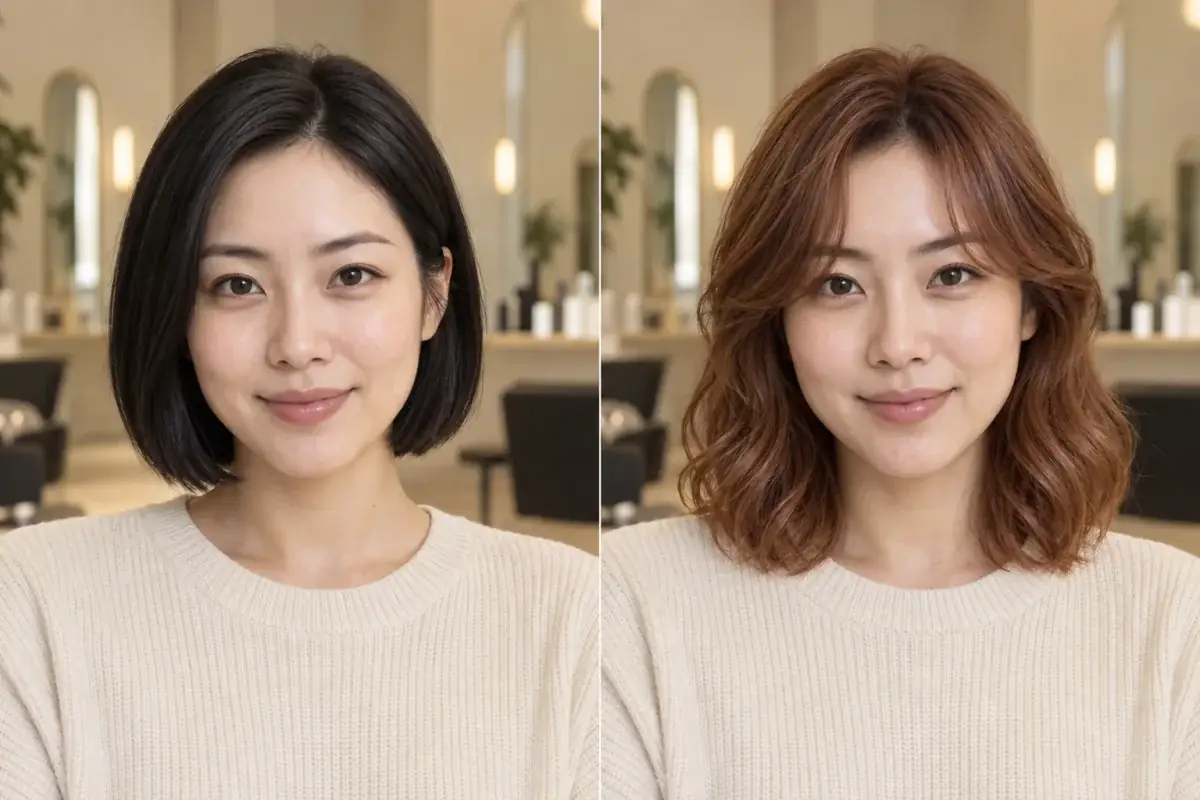
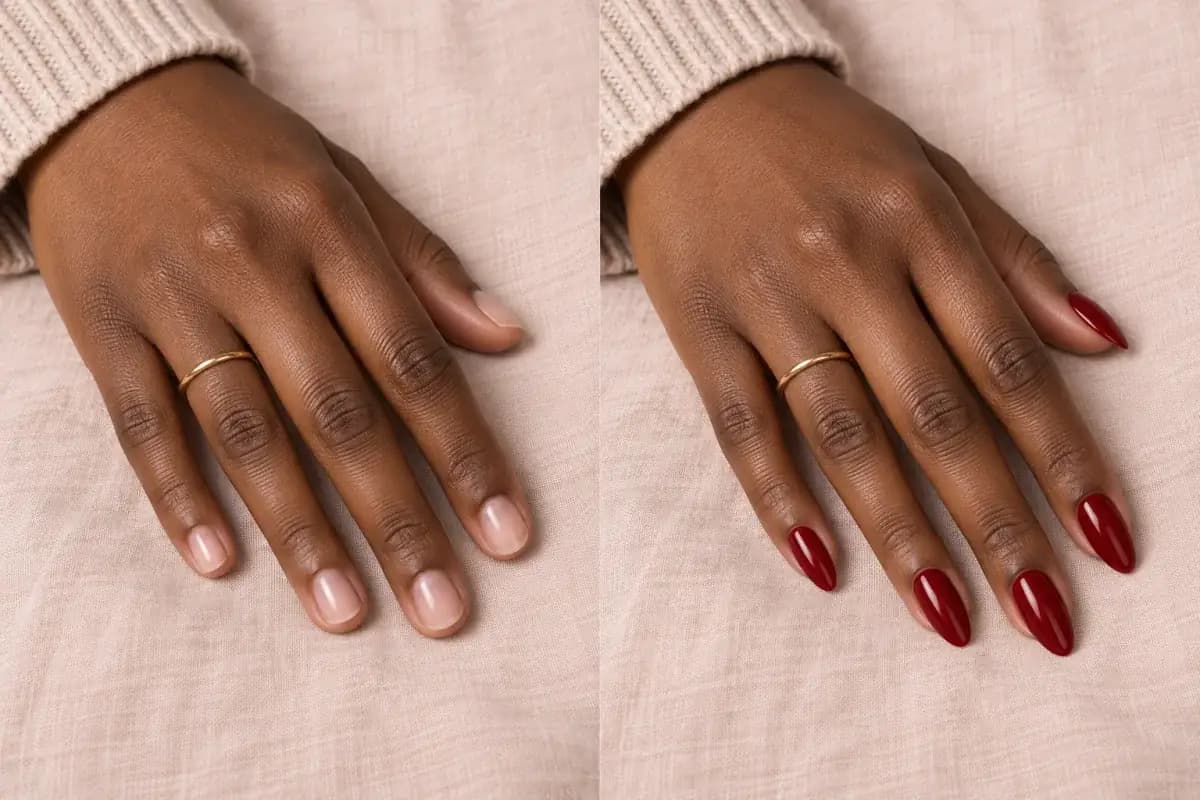
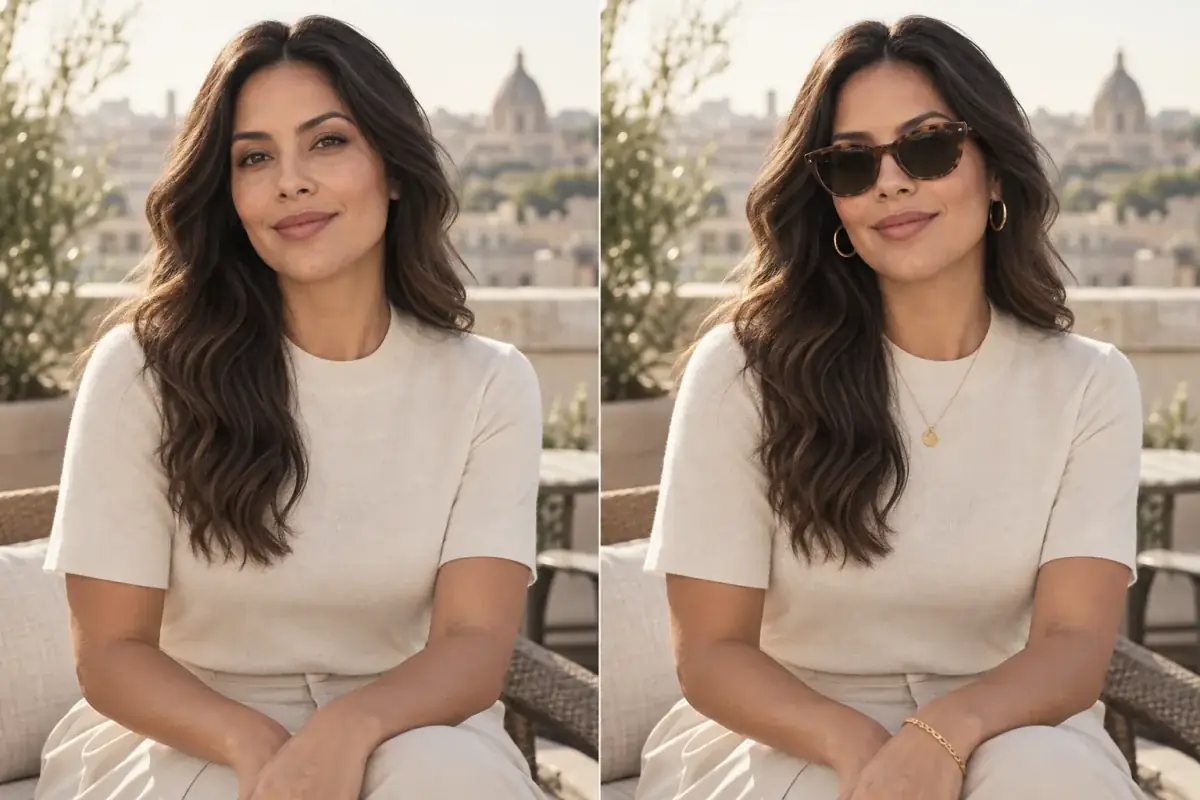
Then run the shortlist through the bridal try-on: your chosen base finish, eye strength and lip family, adjusted one variable at a time. Check each version twice, once as daylight and once imagining flash, and be suspicious of any look that only works in one of them. Narrow to one winner and one backup, not five finalists. Each try-on uses credits from your plan, so spend them on the handful of real contenders. When the winner is set, save it as a Salon Card, which holds the look, the shades and the settings in one place to hand to your artist.
What should you bring to the trial appointment?
Bring the decision, in forms the artist can use in the first five minutes:
- Your Salon Card: the chosen look with its shades and settings, so the conversation starts at your answer instead of at a blank face.
- Photos of the winning look on your own face, front and profile, plus one photo of a look you tested and rejected. The rejection teaches the artist your taste faster than any adjective.
- A photo of your dress, or at least its neckline and color, since a high neckline and an off white dress both change how much makeup a face can carry.
- Your own everyday makeup bag, or at least the products you already know your skin tolerates, so sensitivities and favorites are on the table early.
- One question list: wear time, touch up plan, what the artist needs from you on the morning, and what happens if you want one element changed after the trial.
What can a photo test not decide for you?
Be clear about the limits, because the trial still has a real job. A photo cannot tell you how a foundation wears at hour six, whether a primer makes your skin react, or how a particular artist blends, which is a skill no app supplies. It cannot tell you whether strip lashes will irritate your eyes by the reception, or how a dewy base behaves on your skin under your venue's lights specifically.
What the photo test decides is direction: finish, strength, shade family, lash register. What the trial decides is execution: products, wear, comfort and the artist's hand. Brides who confuse the two either skip the trial and gamble on the day, or pay trial prices to do direction work that an evening at home would have settled. Keep each tool in its job and one appointment is enough.
How should you judge the trial look after the appointment?
Do not judge the trial in the artist's chair, under salon light, in the first ten minutes. The trial look earns its fee over the hours after you leave. Keep it on for at least six hours, and treat the afternoon as the test the appointment set up.
Photograph yourself three times: in daylight by a window, indoors under warm light, and once with flash after dark. Wedding photographs will be taken in all three, and a base that is perfect at noon can turn shiny or gray by the evening set. Eat and drink normally and check what moves: lip color that vanishes is a touch up plan, lip color that bleeds is a product change. Note what fades first and what lasts, in plain words, and send the notes and the three photos to the artist within a day, while both of you still remember the session. Specific notes, like the base shone by hour four and the lip lasted, are what turn one trial into a finished plan. A bride who does this homework rarely needs a second appointment; a bride who judges in the chair often books one.
Decided does not mean locked
Arriving with one chosen look is not a contract with yourself. If the trial shows the look failing on wear or comfort, change it, and change it then, with the artist in the room: that is a cheap place to learn it. The point of deciding first is that any change is a considered adjustment to a plan, not a panic in the final month.
Take the theory out of it.
The article's central claim is that the deciding work belongs before the paid appointment, and it is testable in one step: your own face, your shortlist of looks, and the winner saved as the card you physically hand to your artist.
Questions people ask
How far before the wedding should I book a bridal makeup trial?
Four to eight weeks before the wedding is the common window: close enough that your skin, hair color and tan are near their wedding state, early enough to rebook if the look or the artist is wrong. Book the trial itself earlier than that, since good artists fill up months ahead in wedding season.
How many looks can I test at one bridal makeup trial?
Usually one. Most trials are priced and scheduled around a single look, and asking for three directions in one sitting means each gets a third of the artist's attention. Test the directions on your own photo beforehand and let the trial do one look properly.
What should I bring to my bridal makeup trial?
Your chosen look with its shades written down, ideally as a Salon Card, photos of it on your own face, a photo of your dress and neckline, and the products your skin already tolerates. Arrive with your skin in its normal state and your questions about wear time and touch ups ready.
What if I hate the look at my trial?
Say so in the room, and sort it into a direction problem or an execution problem. Direction problems, like the wrong lip family or too strong an eye, can often be adjusted on the spot; execution problems, like poor blending or makeup that fades in two hours, are the case for a different artist and a second trial.
Can I skip the trial if I have tested the look on my photo?
It is a risk. The photo test settles how the look suits your face, but only the trial shows wear time, skin reactions and the artist's actual skill on you. If the budget forces a choice, keep the trial and cut elsewhere; the wedding day has no retake.