


Which Black Friday Haircut Suits Your Face? Try It First
Sale week asks you to decide fast, and a haircut decided fast cannot be returned. This guide slows down one step: try the French bob, the butterfly cut, and the layered bob on your own photo first, then book the cut that already suits your face.
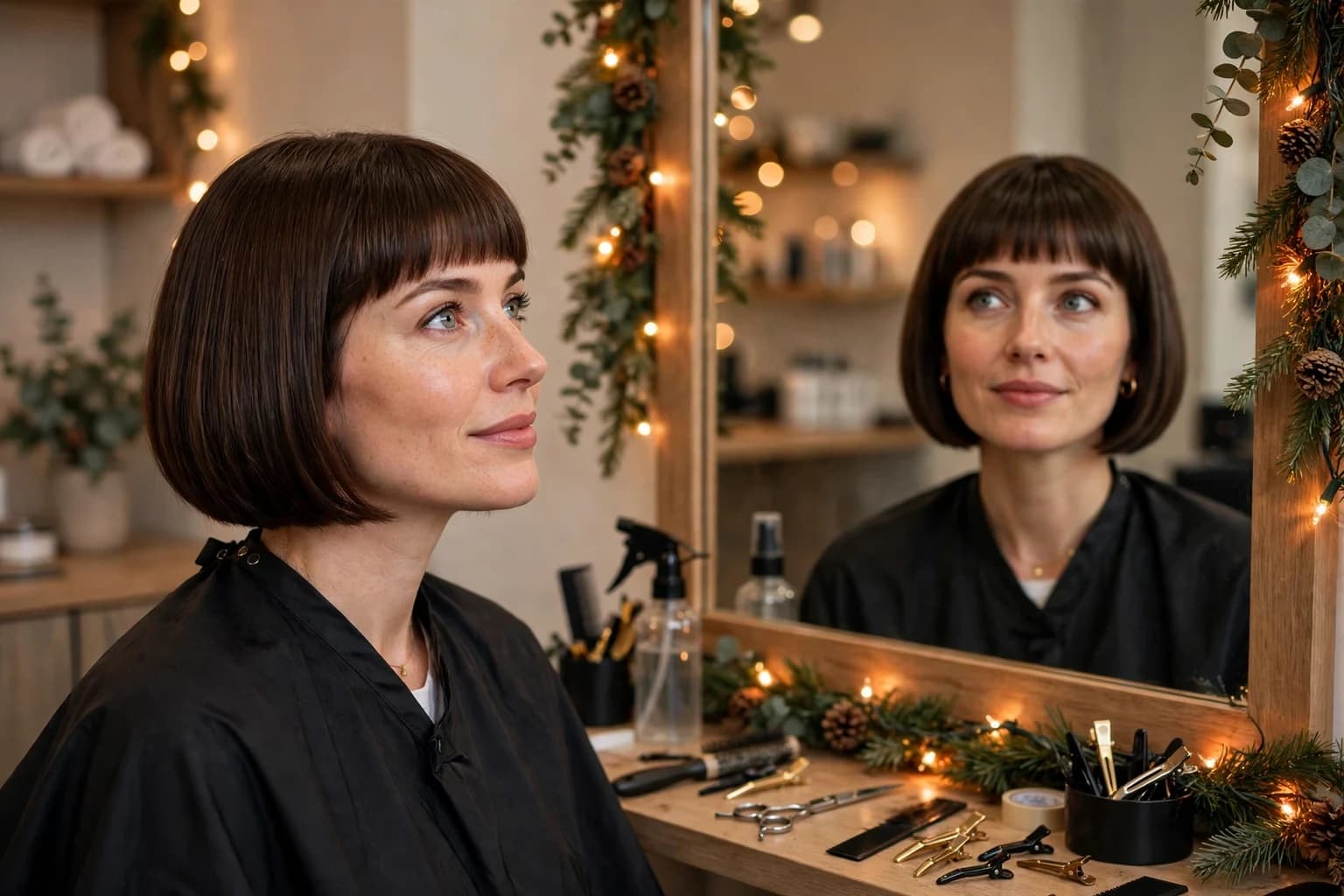
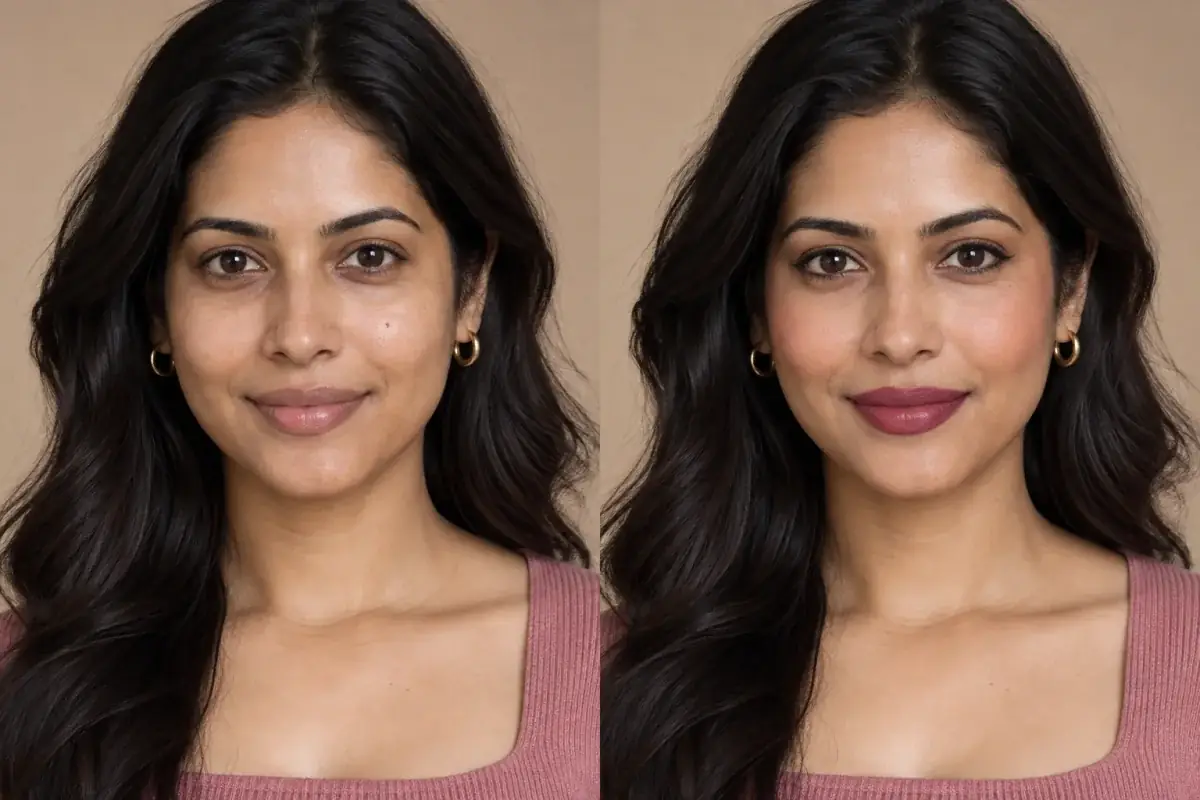
The whole idea in one frame: the cut on your own head, before anything is cut.
Direct answer
Try the cut on your own photo before you book it, because a haircut is the one Black Friday decision you cannot return: color can be corrected, a bottle can sit unused, but a cut has to grow out, and the reference photo on your phone belonged to someone else's face.
That is the whole method behind this guide. Black Friday through Cyber Monday runs as one blended sale window, from about 21 November into early December, and it is the week salons fill up and holiday cuts get booked fast. The fix is one step, in the right order: upload your photo, see the French bob, the butterfly cut, or the layered bob on your own head, and only then book the appointment. Your first preview needs no account.
Key takeaways
- A haircut cannot be returned, so test it on your own photo before you book it.
- The French bob is the boldest of the three cuts, the butterfly cut is the softest, and the layered bob sits between them.
- Face shape narrows the shortlist, but the photo decides the winner: the same cut reads differently on two faces.
- Judge every cut at the length you will live with, not the length that photographs best.
- Save the winning photo for your stylist. It ends the reference photo problem entirely.
Why should you try a haircut on your own photo before you book it?
Because every other sale week purchase can be undone and this one cannot. A lipstick shade can sit in a drawer, a nail polish bottle can stay unopened, and a hair color can be corrected or grown out with a plan. A haircut has no undo button. Once the length is gone, the only way back is weeks of growing it out.
The second reason is the reference photo problem. The photo you saved probably shows a model or a creator whose face shape, hair texture, and head shape differ from yours. A French bob that looks sharp on an oval face can sit wide on a round face. A butterfly cut that moves beautifully on thick hair can fall flat on fine hair. The photo on your phone shows the cut on someone else. A try on shows it on you, at your length, with your texture, under your lighting. That is the difference between booking with hope and booking with evidence.
The third reason is timing. Holiday cuts get booked during sale week because salons fill up before the holidays, and a rushed booking is how a vague idea becomes a cut you regret. Testing first takes under a minute per cut. Open the haircut tool at /haircut-try-on, upload one clear photo in daylight, and run the three cuts in this guide before you call the salon.
Which cut suits a round face?
Start with the layered bob and the butterfly cut, and test the French bob with care. A round face is widest at the cheeks, so the cuts that usually flatter it add length and movement below the chin: a layered bob at or just below the chin, or a butterfly cut whose long layers draw the eye downward.
The French bob is the one to test rather than assume. A blunt bob ending right at the chin can echo the width of a round face, while one sitting just below the chin, or with a slightly longer front, can work beautifully. Run it through /haircut-try-on at both lengths and compare: chin length against just below the chin, blunt against slightly textured ends. The photo will show you in seconds what a paragraph of face shape advice cannot.
If you are unsure about your face shape, start with our face shape guide: /blog/what-haircut-suits-my-face-shape.
Which cut suits an oval face?
An oval face suits all three cuts, so the question changes. It is no longer which cut works, but which cut you want to live with. An oval face is longer than it is wide, with forehead and jaw in balance, so very few cuts fight the face. The French bob is the star here: short, blunt, and face framing, it shows off the balance instead of correcting anything. If you have ever wanted a short cut, an oval face is the easiest face to try it on.
The butterfly cut and the layered bob also work, and the choice between them comes down to length and upkeep. The butterfly cut keeps your length and adds movement, so it reads as a change without a commitment. The layered bob shortens things to bob length while keeping softness, so it reads as a real cut with a gentler landing than the French bob. Test all three through /haircut-try-on and judge them on a different question: which one do you still like on the third look, not just the first? The one you keep coming back to is the one to book.
Which cut suits a square face?
Start with the butterfly cut and the layered bob, because a square face has a strong jaw, and the cuts that usually flatter it soften rather than echo that line. Long layers and face framing pieces help: the butterfly cut adds softness through its layers, and a layered bob with textured ends breaks up the straight line of the jaw.
The French bob needs a test, not a verdict. A blunt French bob can sharpen a square jaw further, which some people love and some people do not want. If you like strong lines, that sharpening is a feature. If you want softness, a French bob with textured ends or a slightly longer length usually works better than a razor blunt one. Run both versions through /haircut-try-on and look at the jawline in each: blunt against textured, chin length against just below. Our French bob comparison covers the same call in more depth: /blog/french-bob-or-layered-bob.
One detail matters more than the cut name: where the shortest layer falls. A shortest layer that ends at the jaw draws attention to the jaw. A shortest layer that ends above or below it draws attention elsewhere. When you test, watch that layer, not just the overall length.
Which cut suits a heart shaped face?
Start with the layered bob and the French bob, because a heart shaped face is widest at the forehead and narrowest at the chin, so the cuts that usually flatter it add volume lower down and balance the narrower chin. A layered bob with volume at the ends fills out the lower half of the face, and a French bob with full ends does the same at a shorter length.
The butterfly cut can also work, but it needs a test for a different reason. Its long layers can pull attention upward toward the forehead if they start too high. When you test it through /haircut-try-on, look at where the volume sits: if it gathers near the forehead, ask for the layers to start lower; if it gathers around the chin and jaw, the cut is doing exactly what you want.
Whatever your face shape, one rule holds: face shape narrows the shortlist, and the photo decides the winner. Two people with the same face shape can suit different cuts, because texture, head shape, and style all change the result. Test, do not just read.
What is the difference between the French bob, the butterfly cut and the layered bob?
Length first. The French bob is the shortest: a blunt cut ending around the chin, sometimes just above it, with a clean line and little layering. The layered bob is bob length, softened and textured through the ends. The butterfly cut is the longest: long layers that keep your length while adding movement, so it reads like a blowout rather than a cut.
Commitment second. The French bob is the highest commitment: it needs regular trims to hold its line, and growing it out means awkward stages. The butterfly cut is the lowest commitment: it grows out gracefully because its layers are long and its length stays. The layered bob sits between them, with a softer grow out than the French bob.
Upkeep third. The French bob rewards styling: it looks best with a smooth finish and a little effort most mornings. The butterfly cut rewards air drying and movement, and looks good with less work. The layered bob is the most forgiving day to day, since its layers give shape even when you do very little. Our butterfly guide explains who that cut suits in more depth: /blog/butterfly-cut-who-it-suits. Our French bob comparison walks through the bob decision step by step: /blog/french-bob-or-layered-bob. If you are still choosing between two cuts after testing, run them side by side through /haircut-try-on and live with both photos for a day before you book.
How do you try a haircut on your own photo before Black Friday week ends?
The steps take under a minute per cut. First, take or choose a clear photo of yourself in daylight, facing the camera, with your full head and hairline visible and no heavy filter on it. Pull your hair back from your face if you can, since the tool needs to see your head shape. Second, open the haircut tool at /haircut-try-on. Third, upload the photo and pick the cut. Fourth, judge the result at the length you will live with, in daylight, against the clothes you actually wear.
Judge the result the way a stylist would: hairline first, then jaw, then overall balance. A cut that flatters in a mirror selfie can disappoint in a doorway photo, so check both angles if you can. Check the back too, if the tool shows it: a bob lives or dies by its back line.
Two questions come up every time. The first is cost: the first preview needs no account, and you only sign up to save or download a look. The second is what to do with the winner: save the photo, since it shows the cut on your own head instead of describing it in words. One timing note: Black Friday through Cyber Monday runs as one blended sale window, from about 21 November into early December, and the sale framing in this guide ends in early December. After that point, the cuts and the method still hold, but the sale week language goes stale. If you are reading this after early December, skip the sale framing and use the try on steps exactly the same way.
What should you ask your stylist for once you have chosen?
Take the saved photo, and pair it with one clear sentence per cut. For the French bob, say the length in plain words: chin length, blunt ends, textured or razor sharp. For the butterfly cut, say where the shortest layer should start: above the chin, at the chin, or below it, since that layer decides where the volume gathers. For the layered bob, say the length and the layering together: bob length with soft layers through the ends, plus any face framing pieces.
Then add the two questions that prevent most salon surprises. First, how will this cut grow out, and what will it look like in six weeks without a trim? Second, what does morning styling actually take: air dry, quick blow dry, or a full routine? A twenty minute morning routine is a different commitment from a two minute one, and the answer should change your booking if it surprises you.
If you are taking a color change with the cut, say so in the same appointment, since color and cut are planned together and the order matters. Our hub guide covers the wider sale week method: /blog/black-friday-beauty-try-before-you-buy. The method is the same for every category: test on your own photo first, then spend.
A try on shows the cut on your photo, not a promise
A photo try on shows you the cut on your own head, which is far more information than a reference photo of someone else gives you. It is not a guarantee: screens and lighting shift how a cut reads, a stylist interprets a photo through their own training, and hair grows and settles differently in the days after a cut. Check the winning cut in daylight before you book it, and show the saved photo to your stylist so the length and the layers are agreed before anything is cut. Also note that the sale framing in this guide ends in early December; after that point, read it as a haircut guide and use the try on steps exactly the same way.
Take the theory out of it.
This guide is about one category, so it points at the haircut tool directly rather than the picker. Upload one photo, pick the French bob, the butterfly cut, or the layered bob, and see the cut on yourself before you book. The first preview needs no account.
Questions people ask
Can I try a French bob on my photo before I book it?
Yes, through the haircut tool, which shows the French bob on your own head at the length you choose. That matters because a blunt bob reads very differently across face shapes, and a photo settles in seconds whether chin length sharpens or flatters your face. Test both blunt and textured ends, and both chin length and just below, before you book.
Will a butterfly cut suit a round face?
Usually yes, and it is one of the safer choices for a round face, because its long layers draw the eye downward and add movement below the chin instead of framing the width of the face. The detail to check is where the shortest layer starts: layers that start too high can add width near the cheeks, while layers that start lower keep the lengthening effect. Test it on your own photo and watch that layer, not just the overall length.
How long does a holiday haircut decision last?
Longer than any other sale week decision, because a cut has to grow out and there is no return or refund on length. A French bob takes the longest to grow past, since it starts shortest, while a butterfly cut grows out the most gracefully because it keeps its length. That is exactly why testing first matters more for haircuts than for any other category in this guide.
Do I need an account to try a haircut on my photo?
No. Your first preview needs no account: upload one photo, pick the cut, and see it on yourself. You only sign up when you want to save or download a look, which is worth doing for the winning cut, since the saved photo is the most useful thing you can take into a salon.
When does the Black Friday haircut window end?
Black Friday through Cyber Monday runs as one blended window, from about 21 November into early December, and Cyber Monday is the tail of that window, not a second peak with a different set of deals. Salons fill up through the window, so testing early beats testing late. The sale framing in this guide ends in early December, after which the cuts and the method still hold but the sale language goes stale.