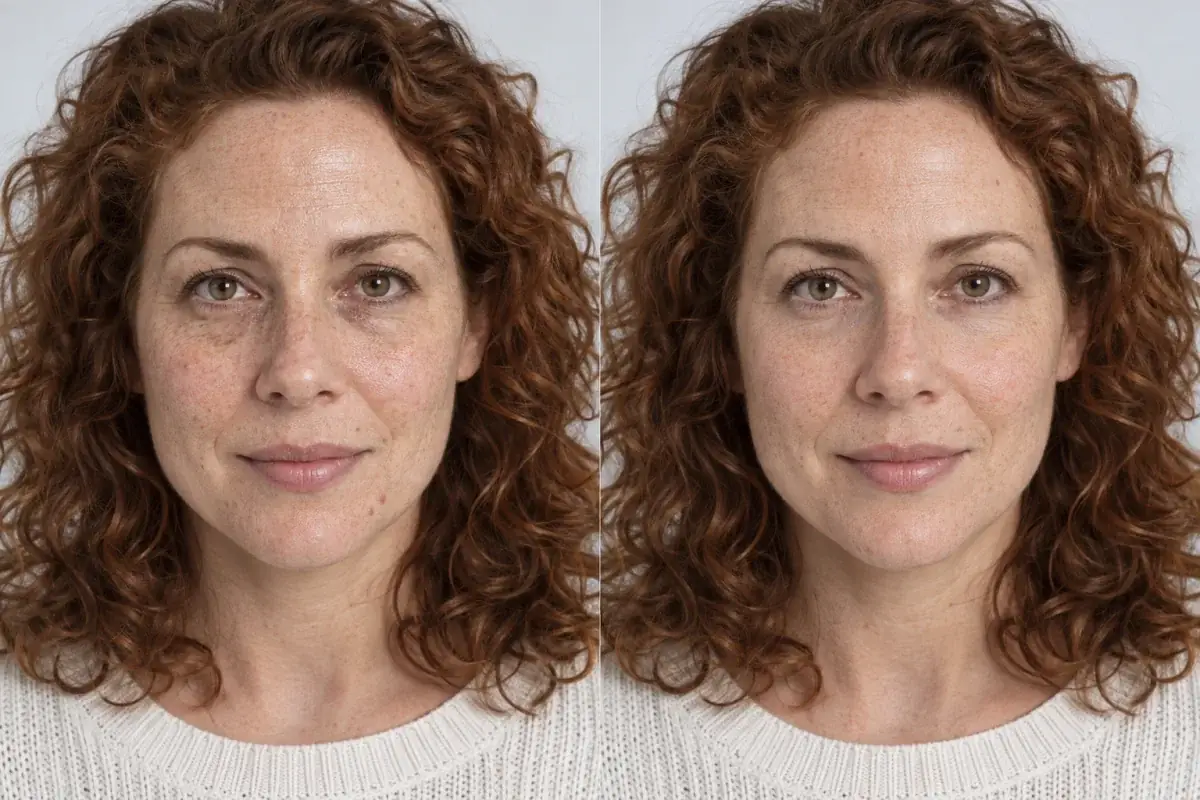

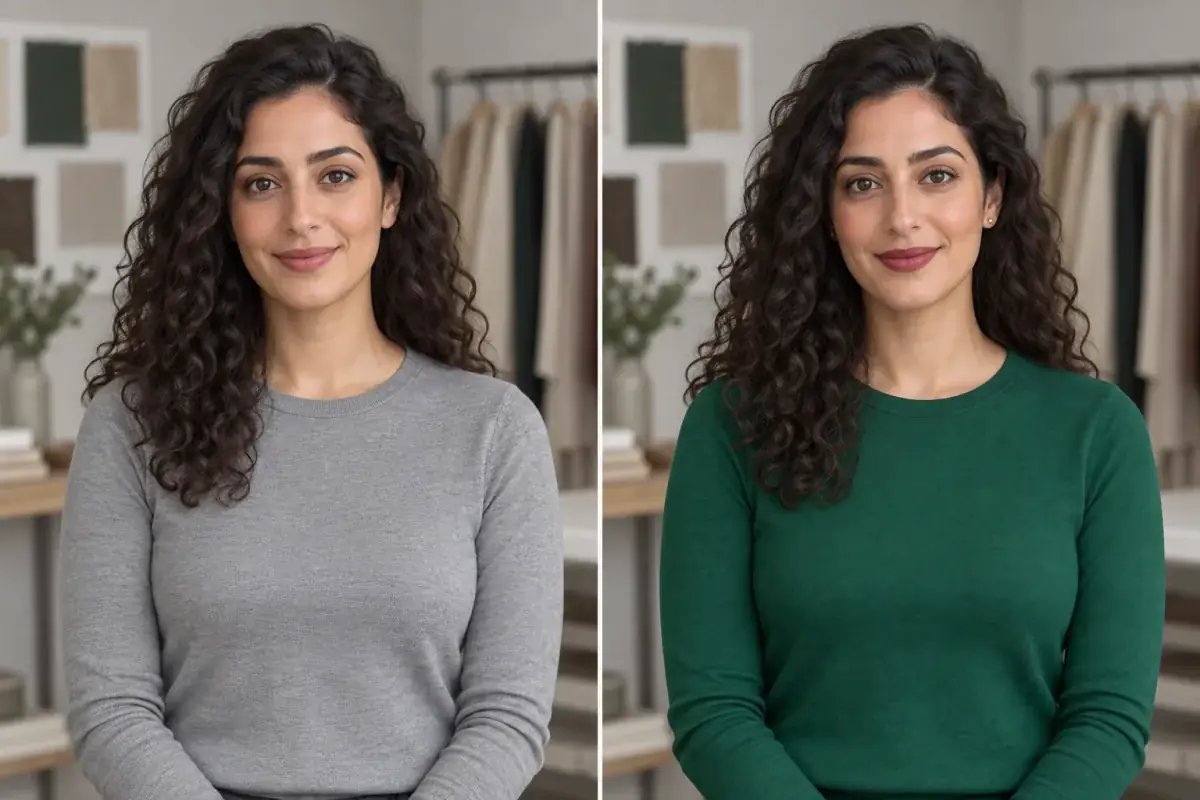
What is the best hair color for pale skin?
Fair skin is not a blank canvas that suits everything. It is a low contrast surface with very little depth to spend, and the shades that flatter it are the ones that respect that budget while putting color back into the face.
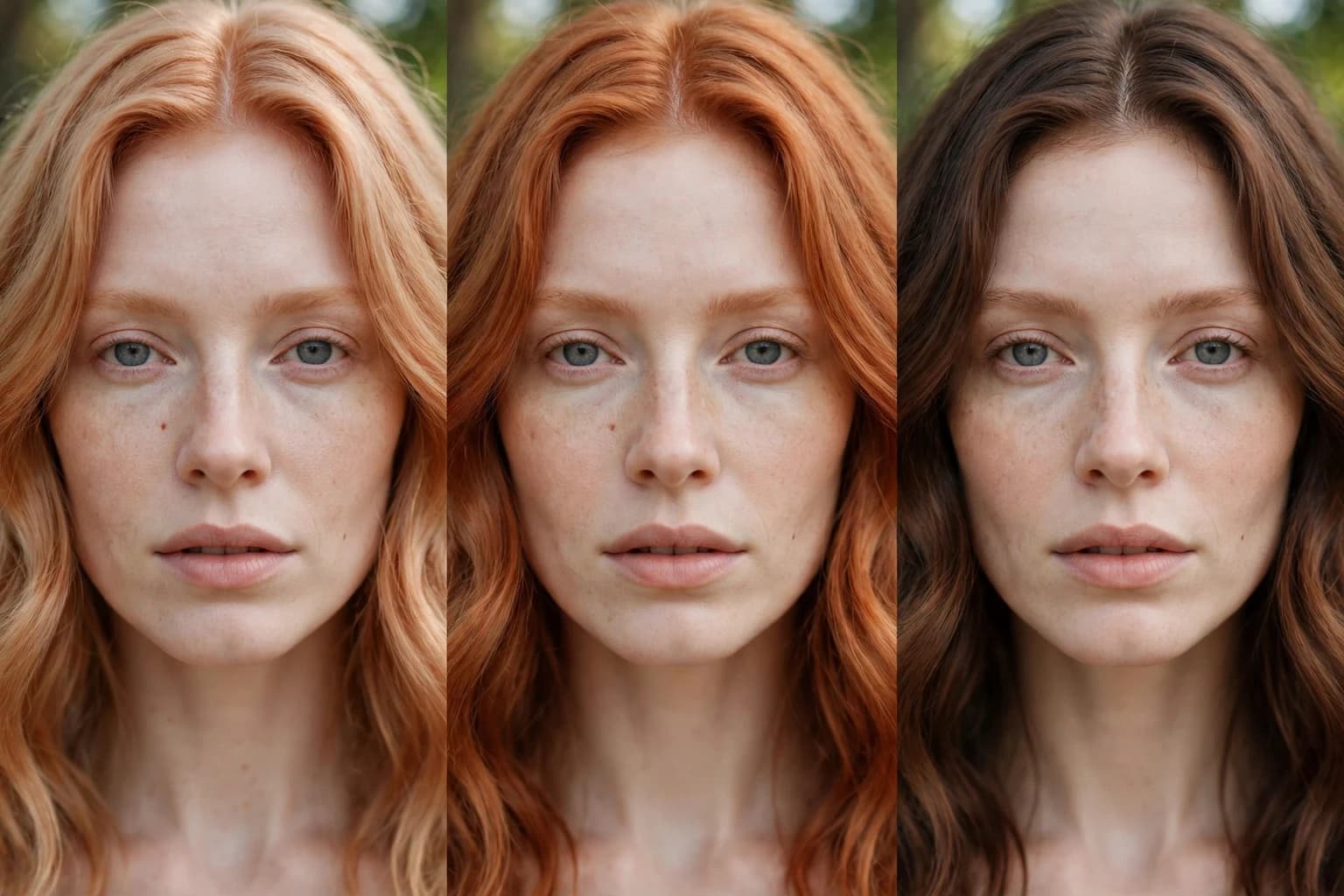
On pale skin the winning shades do double duty: they frame the face and lend it color, the job blush usually has to do alone.
Direct answer
What is the best hair color for pale skin? The shades that keep color in the face: strawberry blonde, soft copper and warm honey on warm skin; rose leaning copper, ash brown with a deep root and cool beige blonde on cool skin; and soft brunette at level 5 to 6 as the safe depth for almost every fair coloring. Jet black at level 1 and flat, rootless ash are the two that drain pale skin, because one spends more contrast than a fair face holds and the other removes the warmth the face needs.
Why does pale skin have a depth ceiling?
Hair color is graded in levels, from level 1 black to level 10 light blonde, and every face has a comfortable range on that scale set by its total contrast: skin depth, eye depth, brow depth added together. Pale skin starts with very little, so its comfortable range is narrower than a deeper coloring's, and it sits in the middle of the scale, roughly level 4 to level 9 depending on the eyes and brows.
Go above the range, to jet black, and the hair takes all the contrast in the face for itself. The skin, which was the lightest element, now competes with the palest thing in the picture being the face against near black hair, and every shadow under the eyes and every uneven patch shows at full strength. Go below the range in the other direction, to a level 10 ash with no root, and the face and hair merge into one pale field with nothing framing anything. The ceiling is not about darkness being bad. Deep shades can be beautiful on fair skin, and this guide recommends several. It is about how much depth the rest of the face can fund, and the honest answer for most pale colorings is level 3 to 4 at the darkest, worn with depth support from brows and makeup.
This page is the skin depth branch of the parent question. The parent guide sorts hair color by undertone, depth and eye color together; this guide takes the depth third and gives it the full treatment for fair readers. The eye color siblings answer the questions pale readers ask next, and if you do not yet know whether your fair skin is warm or cool, that answer changes half the shades below, so take the two minutes in the undertone guide first.
Which shades suit pale skin with warm undertones?
Warm fair skin, golden or peachy underneath, freckles easily, is the coloring the red and gold families were invented for. Your risk is not darkness; it is coolness, because gray toned shades pull the gold out of your skin and leave it looking flat and slightly green.
- Strawberry blonde, level 8 to 9: the signature shade for warm pale skin. It is light enough to respect the depth ceiling and warm enough to lend the face the color it does not supply itself. On blue eyed warm fair skin it also picks up the complementary effect described in the blue eyes guide.
- True copper and soft copper, level 6 to 7: copper on warm pale skin reads as natural, almost born with it, and it is the shade that most visibly evens a freckled, reactive complexion. The full copper decision, fade and upkeep included, is its own guide.
- Honey and golden blonde, level 8 to 9: the warm blonde route, best worn as balayage over a level 6 or 7 root so the frame survives the lightness.
- Soft warm brunette, level 5 to 6, chestnut or warm chocolate: the deep option for warm fair skin. Depth is affordable here because the temperature agrees with the skin; add one caramel ribbon near the face to keep it from sitting heavy.
- Auburn, level 5 to 6: the dramatic warm choice, red brown depth that makes pale warm skin look porcelain rather than drained, precisely because the red does the warming the skin cannot.
Which shades suit pale skin with cool undertones?
Cool fair skin, pink or rosy underneath, burns before it tans, runs the opposite risk: warmth in the hair turns orange against it, and the face looks flushed and argued with. Your families are the cool ones, worn with one structural rule, keep depth somewhere.
Neutral fair skin borrows from both lists at medium strength: mushroom brown, beige blonde and soft copper are your home shades, and extremes in either temperature are what you should test most carefully on a photo first.
- Cool beige and champagne blonde, level 8 to 9: the cool blonde that flatters instead of merging. Beige keeps a whisper of neutral warmth inside a cool shade, which is what stops level 9 hair and level 9 skin from becoming one surface.
- Ash brown, level 5 to 6, always with a deeper root: ash is legitimately yours, unlike on warm skin, but the root is not optional. A level 4 shadow root restores the frame that flat ash removes, and a gloss keeps the tone from going matte.
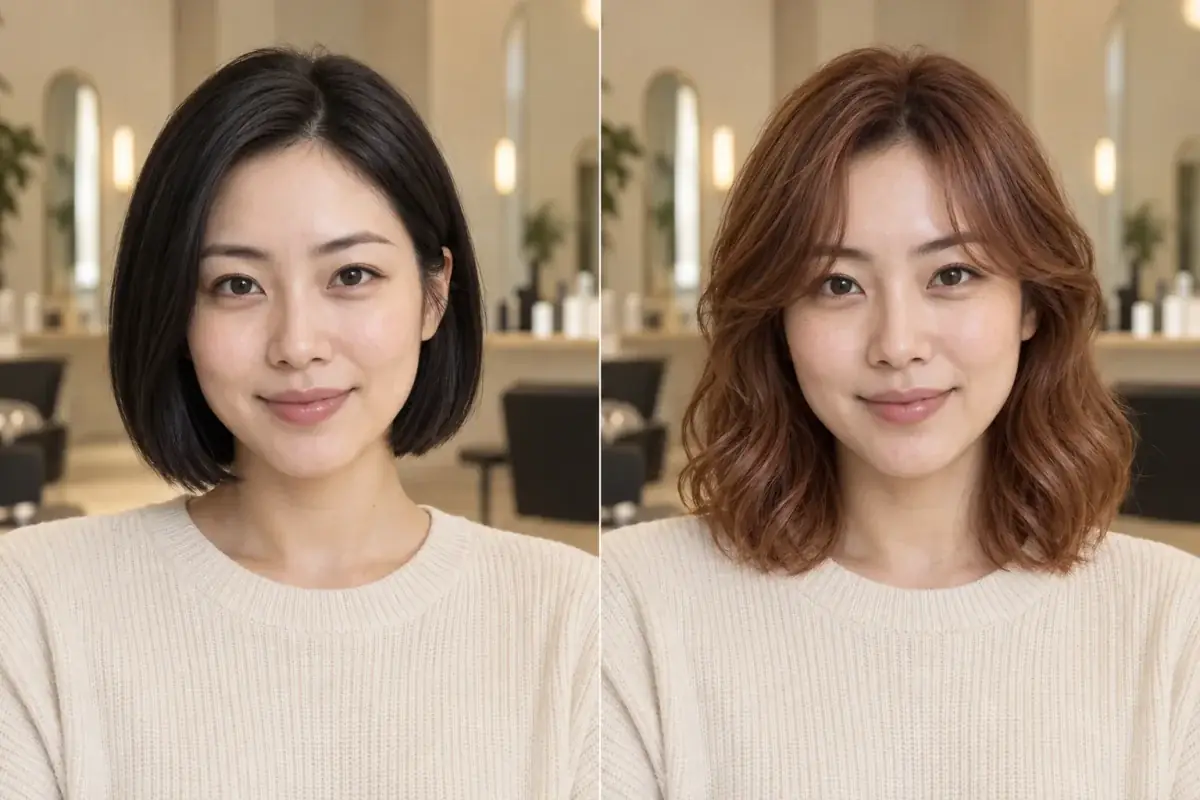
- Rose copper and rose gold, level 7 to 8: the cool route into the red family. Rose leans pink rather than orange, so it agrees with pink skin while still lending the face color, which is the whole job on a pale coloring.
- Burgundy, level 4 to 5: your deep red, blue based and rich, the cool counterpart to warm skin's auburn.
- Soft espresso, level 3 to 4: your darkest sensible shade, a full level above jet black, and that single level is the difference between striking and draining on a cool fair face. Wear it with the brow defined.
Which shades keep color in a pale face?
Pale readers ask a version of this question constantly, usually phrased as looking washed out, tired or ghostly in photos. The shades that fix it share one property: they lend the face a color it can reflect.
Warmth lends color by temperature. Strawberry, copper and honey all place a warm tone at the hairline, and skin picks up a suggestion of that tone the way a white wall picks up the color of a lamp. Depth lends color by contrast: a level 5 or 6 brunette makes pale skin read as porcelain, a positive quality, rather than pale, a complaint, because the contrast frames it as a deliberate lightness. Dimension lends color by movement: ribbons and balayage stop the hair reading as a flat helmet of one tone, which is when a pale face starts to look flat too.
The shades that take color away do the reverse. Flat ash removes warmth and adds nothing back. Level 1 black adds contrast but the harsh, blue based kind that shows every shadow. And a shade exactly matching your skin's lightness and temperature, a beige on beige with no root, removes the frame entirely. If a preview makes you reach for blush to fix it, the shade, not your face, is the problem.
Judge your finalist by this test: in the preview, does your face have color before you imagine any makeup on it? If yes, book it. If no, change the shade, not the blush:
Which shades drain pale skin?
- Jet black, level 1: the most requested and most regretted shade on fair skin. It spends contrast a pale face does not hold, shows every shadow and blemish at full strength, and is the hardest color to reverse if you change your mind. Espresso at level 3 gives eighty percent of the drama at half the cost.
- Flat ash blonde with no root: the merger problem. Hair and skin become one pale, gray leaning field, and the face loses its edges. Ash on pale skin needs a root and a gloss, every time.
- Blue black on warm fair skin: the depth problem and the temperature problem at once. The blue base argues with golden skin and the level overwhelms it.
- Fiery orange copper on cool fair skin: copper is a friend to pale skin only in its correct version. The orange based version on pink skin reads as a flush across the whole face. Cool skin takes the rose leaning copper instead.
- White platinum on very pale, low contrast skin with light brows: survivable with strong brows and makeup, draining without them, because there is nothing left in the face darker than the hair to anchor it.
How dark can pale skin honestly go?
Use your brows as the gauge, because they are the contrast you actually own. If your brows are naturally dark and defined, your face holds more depth than your skin suggests, and level 3 to 4, espresso and soft black brown, will read as striking. If your brows are fair and fine, your ceiling is nearer level 5, and darker shades will need brow support to look intentional rather than accidental. The brunette to blonde guide runs this same contrast budget from the other direction, for pale readers weighing a big lightening instead. Either direction, the rule is identical: move two to three levels freely, test any bigger jump on your photo before a salon makes it permanent.
Source: Uptone parent guide
Source: Uptone undertone guide
Pale is a range, not a shade
Fair skin with dark eyes and brows is a different coloring from fair skin with light eyes and brows, though both get called pale. Every recommendation in this guide assumes average fair brows and eyes; if yours sit at either extreme, weight the contrast budget sections more heavily than the shade lists.
Take the theory out of it.
The depth ceiling is personal: it depends on the reader's own brows, eyes and skin together, which no chart can see. One preview at the exact level settles how dark, or how ash, this particular face can go.
Questions people ask
Does black hair suit pale skin?
Jet black at level 1 drains most pale faces, because it spends more contrast than fair coloring holds and shows every shadow. Espresso or soft black brown at level 3 to 4 gives the same drama within budget. If your brows are naturally dark and strong, you can go a level deeper than most.
What hair color makes pale skin look less washed out?
Shades that lend the face color: strawberry blonde, soft copper and honey on warm skin, rose copper and rooted ash brown on cool skin. The shared property is a tone at the hairline your skin can reflect. Flat ash and rootless pale blonde do the opposite and are the usual cause.
Does ash blonde suit pale skin?
On cool pale skin, yes, with a deeper shadow root and a gloss to keep it from going matte. On warm pale skin, generally no: ash strips the gold from the skin and leaves it looking flat and gray. Warm fair readers should take strawberry or honey blonde at the same level instead.
What is the best hair color for pale skin and blue eyes?
Warm fair skin with blue eyes wears strawberry blonde and soft copper best, because the warm frame makes blue eyes read bluer. Cool fair skin with blue eyes wears champagne blonde, rooted ash brown or burgundy. The blue eyes guide runs the full contrast logic.
Should pale readers go copper or stay blonde?
Copper returns more color to a pale face and reads almost natural on warm fair skin, but it is a four to six week gloss commitment. Blonde in the warm versions, honey and strawberry, is lower upkeep and nearly as flattering. Weigh the full copper decision here before you book.